The decision that lasts a decade
We think that getting a dog is one of the best things you can do for your family. The companionship, the joy, the routine, the excuse to get outside in all weather; there is nothing quite like it. But it is also a commitment of 10-15 years, thousands of pounds, and a significant restructuring of your daily life. Getting it right means years of happiness, getting it wrong could mean rehoming heartbreak for you and your dog, or years of struggling with a mismatch between your lifestyle and your dog's needs.

This guide is not going to tell you which breed to get, but it is going to help you ask the right questions so that when you do choose, you choose well. The breed that looks beautiful on Instagram might be entirely the wrong fit for your life. The one you had never considered might be perfect. Let’s dive in together.
Start with your lifestyle, not the breed
The most common mistake is choosing a dog based solely on appearance, and then trying to fit them into your life. It should be the other way around! Be brutally honest about the following:
How much time do you have?
Every dog needs exercise, training, companionship, grooming, and attention, but the amounts vary enormously between breeds and individuals. A Border Collie, for example, may need 2+ hours of physical and mental stimulation daily. A Whippet may prefer a good sprint and then sleep for most of the day. A Cavalier King Charles Spaniel is usually happy with 30-45 minutes and a sofa to share. Be honest about how much time you actually have - not how much you think you should have, or how much you will have "once things settle down."
How active are you?
If you run, hike, and spend lots of time outdoors, a high-energy breed will thrive with you. If you are more of a weekend walker, a lower-energy breed will be a better match. There is no shame in being honest about your activity levels and choosing a less active breed to match, the shame is in getting a working dog and leaving them wanting.
How much space do you have?
A common myth is that big dogs need big houses. Many large breeds (Greyhounds, for example) are calm, quiet house dogs that need surprisingly little indoor space relative to their peers. Meanwhile, some small breeds (Jack Russells, Miniature Schnauzers) are high-energy and need more stimulation than their size suggests. Arguably, the garden matters more than the house. A secure outdoor space for toileting and play makes life significantly easier, especially with puppies, but even a flat can work for the right breed if you are committed to daily exercise and regular toilet breaks.
What are your working hours?
Dogs should not be left alone for more than 4-5 hours regularly. Start slow with training your dog to be left alone. We've seen this firs-hand across our day care, parks, and grooming network, so if you work full-time, you will need a plan: a dog walker at lunchtime, doggy day care, a family member who can help, or a flexible working arrangement. Factor this cost and logistics into your decision before you get the dog, not after.
What is your experience?
Some breeds are more suited to first-time owners than others. Labradors, Golden Retrievers, Cavalier King Charles Spaniels, and Cocker Spaniels are generally friendly, adaptable, and eager to please. Breeds with strong guarding instincts, high prey drive, or independent temperaments such as Akitas, Belgian Malinois, Siberian Huskies, and many terrier breeds can be challenging for novice owners and may need experienced handling.
Exercise needs by breed type
In practice, it's a generalisation, individual dogs vary, but breed type gives you a solid starting point:
High energy
- Working breeds: Border Collie, Springer Spaniel, Vizsla, Weimaraner, German Shorthaired Pointer, Cocker Spaniel
- Large Spitz breeds: Siberian Husky, Alaskan Malamute, Samoyed
- Many terriers: Jack Russell, Fox Terrier, Border Terrier (small but mighty)
These dogs need significant physical exercise and mental stimulation. Without it, they become destructive, vocal, and show challenging behaviours. Our dog fields and day care are often used by owners of these breeds for exactly this reason.
Moderate energy
- Retrievers: Labrador, Golden Retriever (lower-drive lines)
- Spaniels: Cavalier King Charles Spaniel, Springer Spaniel
- Utility breeds: Standard Poodle, Dalmatian, Beagle
- Some Working or Sporting breeds: Schnauzer, Rottweiler, Dobermann
Lower energy Sighthounds: Greyhound, Whippet (a sprint, then a nap)
- Toy breeds: Maltese, Bichon Frise, Shih Tzu
- Some giant breeds: Bernese Mountain Dog, Saint Bernard (adults: puppies are active)
Remember that exercise needs change with age. Puppies need carefully managed exercise to prevent injury, and senior dogs need gentler, shorter sessions.
Children and dogs
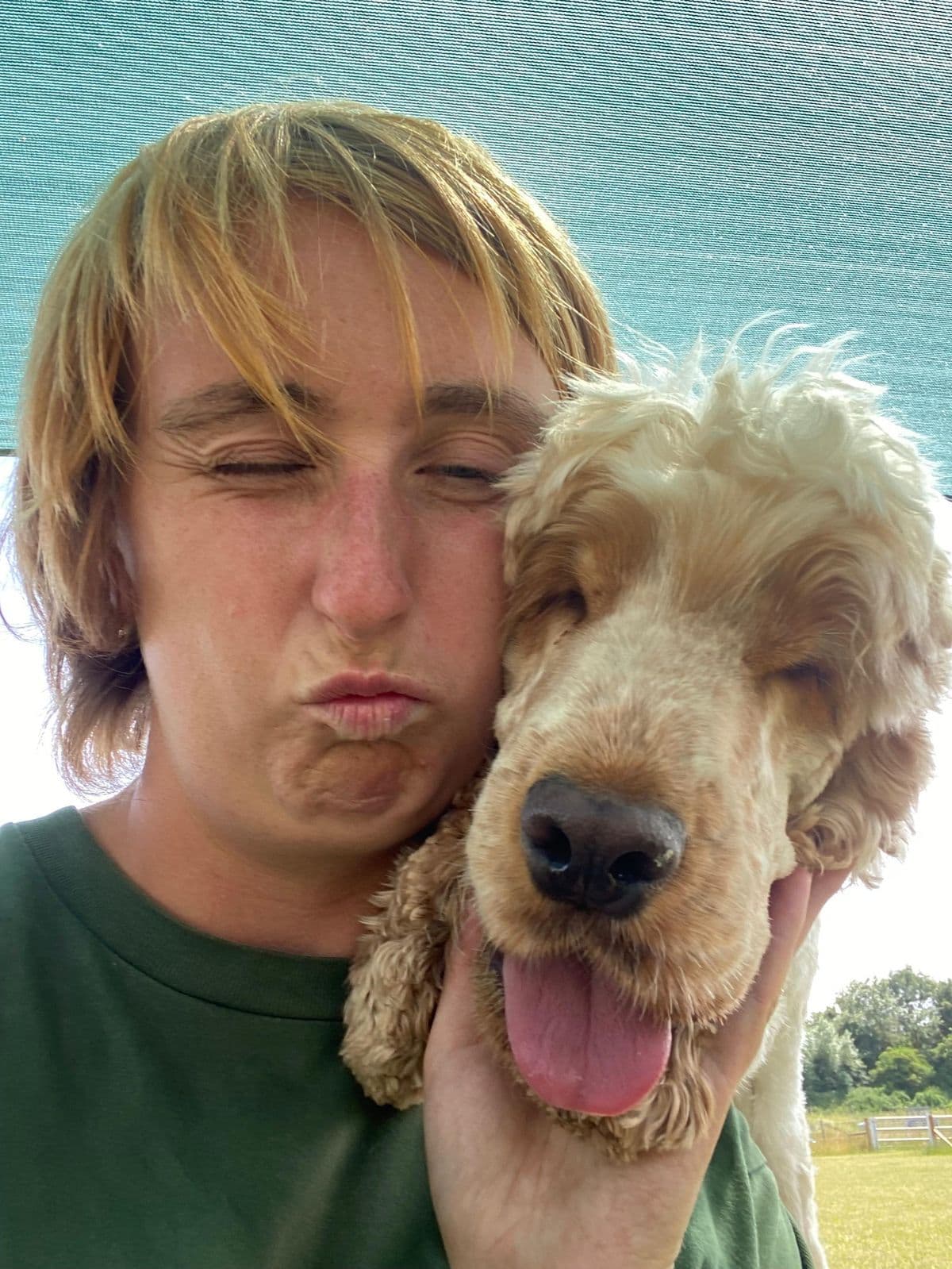
It's where many families get it right or catastrophically wrong. Dogs and children can be wonderful together, but it requires the right dog, the right training, and critically. The right supervision.
What to look for
- Steady temperament: breeds that are patient with handling, noise, and unpredictable movements
- Solid build, but not too big: very small or fragile breeds can be injured by toddlers, creating a dangerous dynamic. Equally, a very large dog may knock over a child during play
- Low prey drive: breeds with strong prey drive may chase or nip running children
- Good with noise: families are noisy. A noise-sensitive dog will be stressed in a household with young children.
Non-negotiable rules
- Never leave any dog unsupervised with any child: regardless of breed, temperament, or how well they know each other. Most dog bites involving a child could have been prevented with supervision.
- Teach children to respect the dog. No pulling ears, tails, or fur. No climbing on the dog. No disturbing the dog while eating or sleeping. No cornering or chasing.
- Give the dog a safe retreat, a crate, a room, a bed where the dog can go and not be followed. Children must learn that this space is off-limits.
- Get professional help early: if your dog shows any signs of discomfort around your children (freezing, lip licking, whale eye, growling), consult a behaviourist immediately. Do not dismiss warning signs. Find a professional in Essex through our directory.
Allergies
If someone in your family has dog allergies, be aware that no breed is truly hypoallergenic. The allergen is usually a protein found in dog saliva, urine, and skin cells (dander). Not the fur itself. However, some breeds produce less dander or shed less, which reduces allergen levels in the home:
- Poodles
- Bichon Frise
- Portuguese Water Dog
- Schnauzer
- Bedlington Terrier
If allergies are a serious concern, spend significant time with the specific breed (ideally the specific dog) before committing to taking them on. A breeder or rescue should accommodate this.
Rescue vs breeder
Both are valid choices for giving a dog a home when done responsibly.
Choosing a breeder
- Health test for breed-specific conditions (hip scores, eye tests, heart tests depending on breed. The breed club should be able to help with which tests need to be done for their breeds)
- Happy to show you the mother with the puppies in the home environment
- The parent dogs should be proven, either in working ability, confirmation, sports or as an exceptional companion.
- Asks you as many questions as you ask them. A good breeder screens buyers carefully.
- Kennel Club registered is helpful, but not a guarantee of quality
- Avoid anyone who has multiple litters available, offers to meet you in a car park, or does not let you see where the puppies live
- Expect to pay £1,000-£3,000+ depending on breed
Choosing rescue
- Reputable rescues assess temperament, health, and behaviour before rehoming
- They will match you with a suitable dog based on your lifestyle and experience
- Rescue dogs are not "damaged goods". Many are there because of owner circumstances, not behaviour problems.
- Good rescues should always offer Rescue Back Up and post-adoption support.
- Expect a home check and lengthy adoption process. This is a good sign, not an obstacle. A rescue which lets you take a dog home same-day should be avoided.
- Adoption fees are typically £150-£350 and include neutering, vaccinations, and microchipping
The true cost of dog ownership
Before you commit, understand the financial reality of owning a dog. The PDSA estimates the lifetime cost of a medium-sized dog at £9,000 - £14,000. Annual costs include:
- Food: £300-£1,000+ depending on size and diet quality
- Insurance: £360-£960+ per year for lifetime cover (see our insurance guide)
- Vaccinations: £50-£80 for annual boosters
- Flea and worm treatment: £100-£200 per year
- Grooming: £0-£500+ depending on breed (check our grooming directory)
- Day care or dog walking: £600-£4,000+ per year if needed
- Toys, beds, leads, bowls: £100-£300 initial outlay plus ongoing replacement
- Training classes: £100-£300 for a course of lessons
- Emergency vet bills: variable but potentially thousands, even with insurance
Can you afford this for the next 10-15 years? If the answer is uncertain, wait. It is always better to wait until you are ready than to struggle and rehome.
Preparing your home
Before your dog arrives:
- Puppy-proof or dog-proof: remove toxic plants, secure bins, hide electrical cables, store chemicals out of reach, remove any items that dogs may be tempted to chew such as shoes.
- Set up a sleeping area: a crate or bed in a quiet, draught-free spot
- Stock up: food, bowls, lead, harness, collar with ID tag, poo bags, toys, treats
- Register with a vet: do this before your dog arrives so you are ready for the first check-up
- Arrange time off work: at least a week, ideally two, to help your dog settle in
- Research local services: dog walkers, day care, training classes, groomers, and emergency vets in your area
- Agree household rules, where the dog sleeps, whether they are allowed on furniture, who handles what. Consistency from day one prevents confusion.
First steps after getting your dog
- Introduce them to your vet and book a health check within the first week
- Start training immediately: name response, toilet training, handling. See our puppy training guide for what to focus on at each age.
- Begin socialisation: gradually introduce new experiences, people, sounds, and environments. For puppies, the first 16 weeks are critical.
- Set up a routine: feeding times, walk times, quiet times. Dogs thrive on predictability.
- Get insurance: before any health issues develop. The younger and healthier your dog is when insured, the better the coverage.
- Book a puppy day care taster, early positive experiences with day care make future sessions easier and help with socialisation.
Key takeaways
- Start with your lifestyle, not the breed. Be honest about time, space, energy, and budget.
- Exercise needs vary enormously. Find out from
- Never leave any dog unsupervised with children. Teach children to respect the dog's space and signals.
- Budget realistically: will you be able to afford the dog over their lifetime?
- Rescue and breeder are both valid when done responsibly. Avoid puppy farms and unscrupulous sellers.
- Prepare your home, your vet, your routine, and your support network before the dog arrives.
- Insurance, training, and socialisation should start immediately. They are not optional extras.
We are here to help from day one
Whether you have just got your first puppy or you are still deciding, the Wagtails team is here to support you. From puppy day care and training classes to safe off-lead fields and professional grooming, we have everything your new dog needs to thrive in Essex. Get in touch, we love helping families get it right from the start.