Last reviewed: May 2026
You have 50 minutes of private field time, make it count
Booking a secure dog field is one of the best things you can do for your dog. But it gives them off-lead freedom in a completely safe environment, free from the unpredictability of public parks. But beyond simply letting your dog run around, there is a whole range of activities you can do to make those 50 minutes mentally and physically enriching.
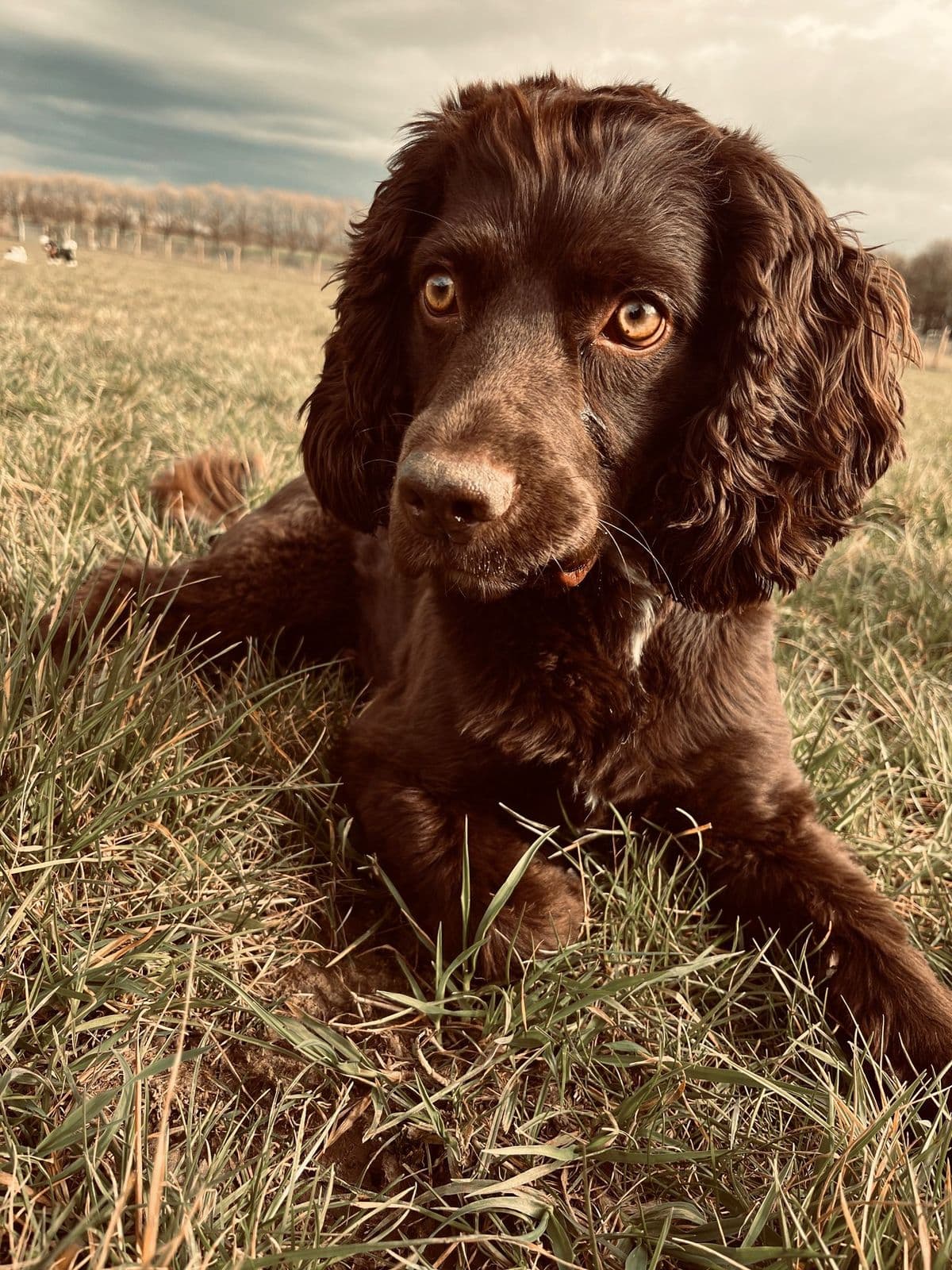
Whether you are working on training, burning off energy, or helping a nervous dog build confidence, here are the best ways to fill your session.
Recall games
A secure field is the single best place to practise recall because the fencing means your dog cannot run off, and the privacy means no distractions from other dogs. But it adds up. But recall does not have to be boring repetition: turn it into a game.
One of our regulars brings three Whippets to the Writtle field. And the first ten minutes are chaos, but after that they just trot around together like they own the place.
- Ping-pong recall: grab a partner and stand at opposite ends of the field. Take turns calling your dog back and forth, rewarding each time they arrive. This builds speed, enthusiasm, and the habit of checking in with multiple people.
- Hide and recall, while your dog is sniffing, duck behind a tree, bench, or change in terrain. Call them and let them use their nose and eyes to find you. The surprise element makes recall exciting rather than routine.
- Chase recall: call your dog, then turn and run in the opposite direction. Most dogs will sprint after you. Reward generously when they catch up. This taps into natural chase instincts and makes coming to you the most fun option in the field.
For a full step-by-step recall plan, read our recall training in a dog field guide. Rain or shine.
Scent work
Dogs experience the world primarily through their noses, and scent work is one of the most mentally tiring activities you can do. Ten minutes of scent work can be as exhausting as thirty minutes of running. Perfect for high-energy dogs who need a brain workout.
You might also find our post on dog fields for reactive dogs helpful.
- Scatter feeding: toss a handful of kibble or small treats into a patch of longer grass and let your dog hunt for them. Start with a small area and gradually make it larger as they get the hang of it.
- Find it trail: walk a path across the field, dropping treats every few steps. Then bring your dog to the start and let them follow the trail. As they improve, space the treats further apart and add turns.
- Hidden toy search: hide your dog's favourite toy somewhere in the field while they wait (or while someone holds them). Release them with a "find it" cue and let them search. The reward is the toy itself and a quick game when they find it.
- Snuffle stations: bring a snuffle mat or scatter treats around the base of fence posts, logs, or in tufts of grass. Multiple search stations keep the game going and encourage your dog to use different search strategies.
Fetch variations
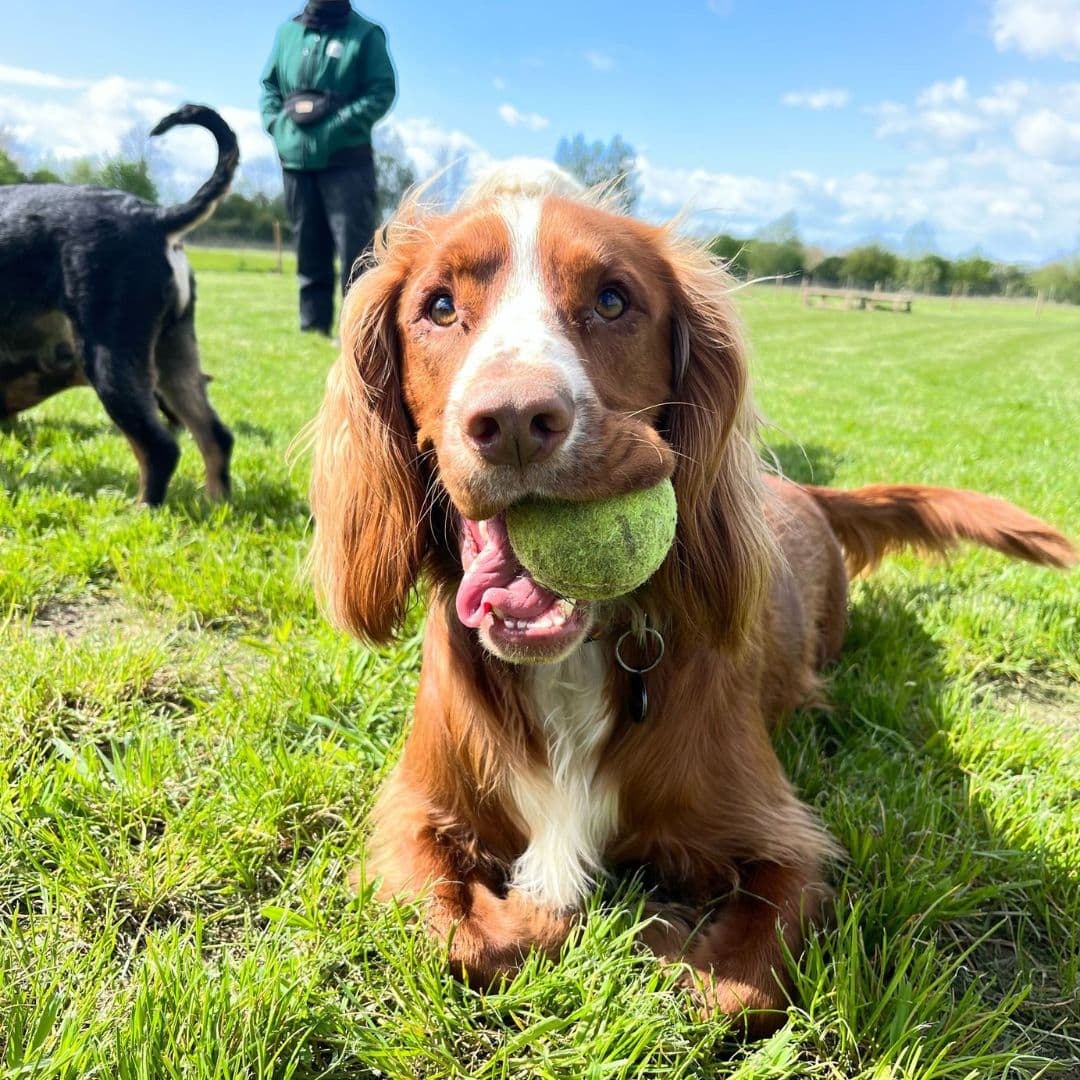
A simple game of fetch is a field staple, but you can make it more interesting and more beneficial with a few tweaks:
- Two-ball fetch: throw one ball, and when your dog picks it up, show them the second. They will drop the first to get the second thrown. This builds a natural retrieve-and-return cycle without any wrestling over the ball.
- Directional fetch: throw the ball to different parts of the field, varying distance and direction. This keeps your dog thinking rather than mindlessly sprinting the same route.
- Fetch with a pause: ask your dog to sit or lie down before you throw each ball. This builds impulse control and means they are practising calm behaviour between bursts of excitement.
- Water retrieve: if the field has a pond or stream area, introduce water retrieves for dogs who enjoy swimming. A floating toy adds a whole new dimension to the game.
A word of caution: limit repetitive high-speed fetch to 10-15 minutes per session. Constant sprinting and sudden stops put strain on joints, especially for young dogs whose growth plates have not yet closed. Mix fetch with lower-impact activities for a balanced session.
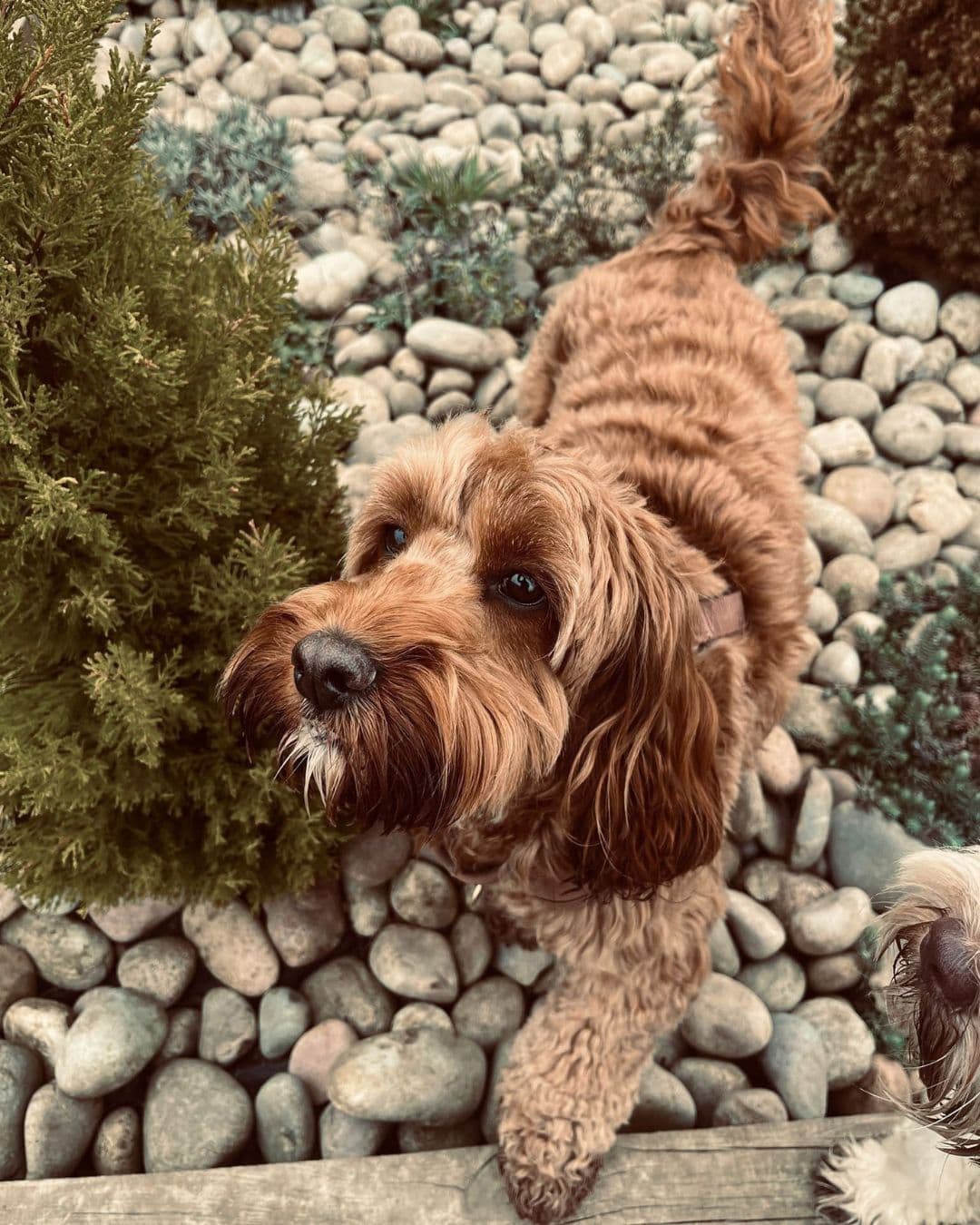
Fetch for different life stages
For puppies under 12 months, keep throws short and low. Patience pays off. We've had customers tell us that gentle rolls along the ground rather than high, long throws that encourage hard braking and sudden turns. For senior dogs, prioritise gentle retrieves at a comfortable pace and watch for signs of stiffness or fatigue. The beauty of a private field is that you can tailor the intensity entirely to your dog's needs without pressure from other dogs or owners.
Agility basics
You do not need a full agility course to introduce your dog to some fun obstacles. Portable equipment is lightweight, affordable, and easy to set up in a field:
- Weave poles: use lightweight poles or even garden canes pushed into the ground. Lure your dog through with treats, gradually reducing the lure as they learn the pattern.
- Jumps. A simple pole resting on two low supports. Start at ground level and raise it gradually. Focus on confidence and fun, not height.
- Tunnel, a collapsible play tunnel is cheap and most dogs love it. Start short and straight, then extend and curve as your dog gains confidence.
- Platform work: bring a raised platform or upturned crate. Teach your dog to jump on and off, then stay on the platform while you move away. This builds body awareness and calm focus.
Agility is not just for competition dogs (it happens more than you'd think). Our Cressing field is a favourite for this: it's big enough to really let a dog stretch its legs, and it builds confidence, strengthens the bond between you, and gives your dog a brilliant physical and mental workout. Even five minutes of obstacle work in a field session adds enormous value.
Calm settling practice
This might seem like an odd suggestion for a field session, but teaching your dog to settle in an exciting environment is one of the most valuable skills you can build. Bring a blanket or mat, lay it out in the field, and reward your dog for lying on it calmly. Start with just a few seconds and build duration over time.
The field is the ideal place to practise because it is a step up from home (more smells, more stimulation) but still controlled and private. A dog that can settle on a mat in a field is well on the way to settling at a pub, a cafe, or a friend's house. Read our guide to teaching your dog to settle for the full method.
Multi-dog activities
If you have more than one dog, or you are booking with a friend, a field session is perfect for supervised social play and group training:
- Parallel walking: walk both dogs around the perimeter of the field, rewarding calm behaviour. This builds polite co-existence without the pressure of direct interaction.
- Group recalls: call both dogs simultaneously or in sequence. Reward each individually to prevent resource guarding around treats.
- Shared scent games: scatter treats for both dogs in the same area. This encourages cooperative searching rather than competition.
- Play breaks with structure: let the dogs play freely for a few minutes, then call them both back for a calm break before releasing them again. This teaches them that play has natural pauses and helps prevent over-arousal.
Seasonal ideas
The time of year can shape your session too:
- Summer: bring water for your dog and schedule early morning or evening sessions to avoid heat. Scatter feeding in long grass is perfect when the field is lush. Frozen treats like stuffed Kongs add a cooling element.
- Autumn: leaf piles make natural hiding spots for scent games. The cooler air means your dog can run more comfortably. Practise recall in low-light conditions to build reliability for winter walks.
- Winter: shorter daylight means earlier bookings. Focus on high-energy activities to keep your dog warm. Scent work is particularly effective in cold, damp conditions when smells carry better.
- Spring. The perfect time for agility work on firm ground. Watch for nesting birds around field edges and keep your dog focused on you during ground-nesting season.
What to bring to your session
A well-packed bag makes a better session. Here is our recommended kit list:
- High-value training treats in a pouch
- Two balls or a ball and a tug toy
- A long line (if working on early-stage recall)
- A blanket or mat for settling practice
- Fresh water and a portable bowl
- Poo bags
- A towel for muddy or wet dogs
- Portable agility equipment if you use it
Key takeaways
- A field session is most valuable when you mix activities: training, enrichment, play, and calm time.
- Scent work is as tiring as physical exercise, use it for high-energy dogs.
- Limit high-speed fetch to protect joints, especially in younger dogs.
- Settling practice in a stimulating environment builds real-world calm behaviour.
- Adapt your activities to the season and your dog's age, breed, and temperament.
Book your field session
Ready to make the most of your 50 minutes? Our secure dog fields in Essex give you the perfect private space for all of these activities. Consistency is key. Find your nearest field and book online. If your dog would benefit from professional guidance, browse our trusted dog trainers or contact us for a recommendation. More than most people think.
Written by the Wagtails team: qualified dog professionals based in Rettendon, Essex. We run 5-star licensed day care and three private dog parks, and we work with a network of trusted trainers, walkers, and groomers across the county.