Last reviewed: May 2026
Why Essex is a hidden gem for dog walks
Essex rarely tops the lists when people think of beautiful walking country. That reputation belongs to the Lake District, the Cotswolds, and the South Downs. But anyone who has spent a Sunday morning following a muddy footpath through Epping Forest or watching the tide creep across the Dengie marshes knows the truth: Essex has some of the most varied, rewarding, and genuinely dog-friendly walking in the south-east of England.

What makes Essex special for dog owners is the sheer variety packed into a relatively small county. Within an hour's drive you can move from ancient woodland to open farmland, tidal estuaries to chalk downland, country parks with manicured paths to wild coastal stretches where you might not see another person for an hour. That variety matters because dogs, like people, thrive on novelty. And a dog that walks the same loop every day misses out on new scents, new surfaces, and new experiences that keep their mind sharp and their tail wagging.
This guide covers our favourite countryside routes across the county, with enough practical detail to help you plan a proper outing rather than just show up and hope for the best.
Epping Forest: the classic Essex woodland walk
Distance: 3 to 8 miles depending on route | Terrain: woodland paths, some boggy sections in winter | Parking: free car parks at High Beach, Connaught Water, and Pillow Mounds
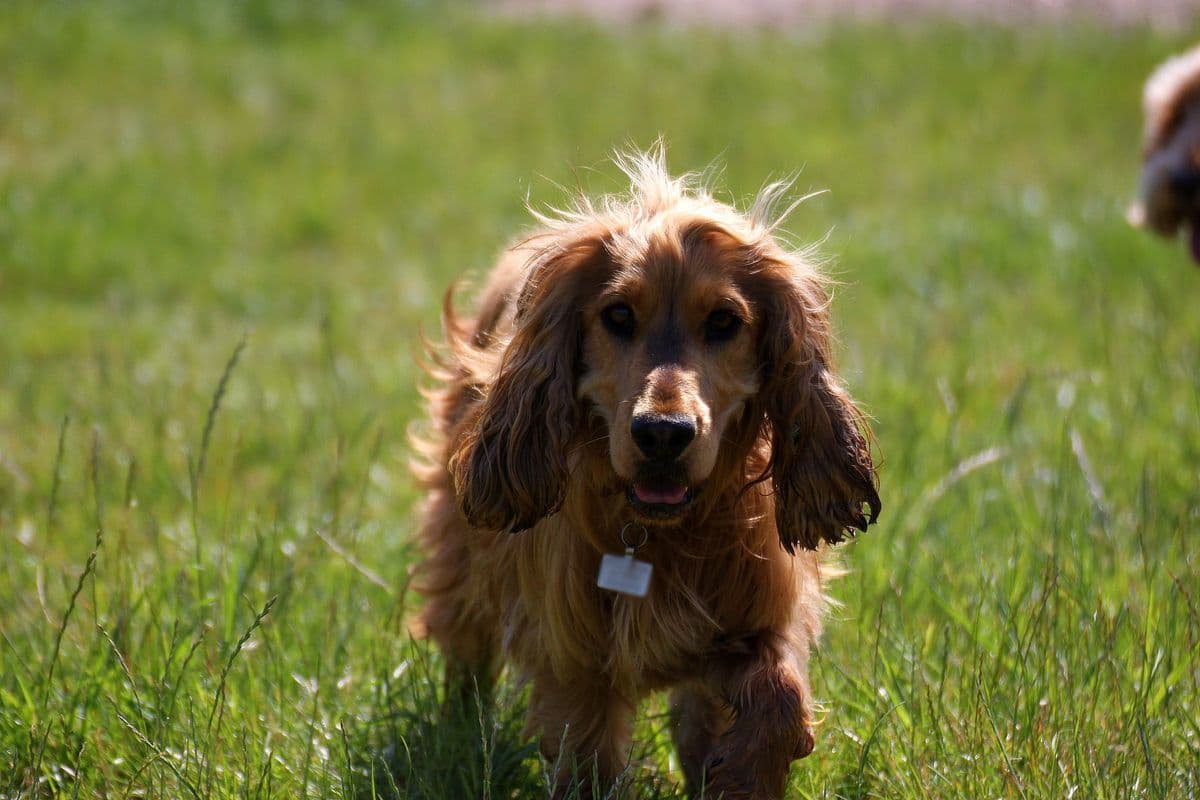
We know a local walker who carries a separate lead and harness for every dog. Sounds excessive, but it means every dog walks comfortably.
Epping Forest is 6,000 acres of ancient woodland stretching from Manor Park in east London all the way to Epping in the north. And it is managed by the City of London Corporation as an open space, and dogs are welcome off-lead throughout most of the forest, though you should keep them under close control near the roads that cross the forest and around the deer sanctuary areas which are clearly signposted.
The best starting point for a countryside feel is the High Beach area. Park at the Pillow Mounds car park and head south through the beech woodland. And the paths here are wide and well-trodden in summer but can get seriously muddy from November through to March, so waterproof boots are essential. The forest floor is a sensory paradise for dogs: layers of leaf litter, fallen trees to scramble over, and an endless variety of wildlife scents.
For a longer walk, follow the Centenary Walk markers south towards Connaught Water, a beautiful lake with a circular path around it. The lake is popular with families and other dog walkers, so this is a good section if your dog enjoys meeting others. From the lake you can loop back through the forest or extend north towards Ambresbury Banks, an Iron Age earthwork that makes for an interesting halfway point.
Top tip: Avoid the High Beach area on sunny bank holiday weekends. The car parks fill early and the paths get crowded. Try a Tuesday morning instead and you'll have the forest almost to yourself.
Danbury Common and Lingwood Common
Distance: 2 to 5 miles | Terrain: heathland, woodland, gentle hills | Parking: National Trust car park on Main Road, Danbury (free for members)
There's more on this in our guide to how much exercise your dog needs.
Danbury sits on one of the highest points in Essex, which is not saying much in absolute terms but gives the walks here a feeling of openness that you do not always get in the county. Trust takes time. The common is managed by the National Trust and features a wonderful mix of heathland, scrubby woodland, and grassy clearings. Dogs can be off-lead but should be kept under control, especially during ground-nesting bird season from March to July. Even on rainy days.
Start from the National Trust car park and head east across the common. The paths are well-marked and the terrain is gently undulating with sandy soil that drains well even after rain, making this a good choice when other walks are waterlogged. Continue through to Lingwood Common for a longer route. The woodland here is quieter and you'll often see woodpeckers, treecreepers, and the occasional deer.
There are no water features on the commons themselves, so bring a portable bowl and water for your dog, especially in summer. The nearest pub, The Cricketers, is a five-minute drive and welcomes dogs in the bar area.
Hadleigh Country Park and Castle
Distance: 3 to 6 miles | Terrain: grassland, steep hills, coastal views | Parking: pay and display car park at the park entrance off Chapel Lane
If you're also interested in adventure walks vs regular walks, many of the same ideas apply.
Hadleigh Country Park is one of those places that catches first-time visitors completely off guard. The park sits on a steep hillside above the Thames Estuary, and the views across to Kent and out towards the sea are genuinely spectacular. The ruins of Hadleigh Castle, famously painted by Constable, stand at the highest point and make for a dramatic backdrop to your walk.
The park is large enough to offer several different routes. Keep it simple. The lower paths run along the edge of the marshes and are flat and easy, suitable for older dogs or those recovering from injury. The upper paths involve some proper climbs, and the hill up to the castle will give both you and your dog a decent workout. The grass can be slippery when wet, so watch your footing on the steeper sections.
Dogs must be on leads near the rare breed conservation grazing areas, which are clearly fenced and signed. That matters. Elsewhere they can be off-lead. The park was used for the mountain biking events during the 2012 Olympics, and the legacy trails are still popular with cyclists, so keep your dog close on shared paths.
Heybridge Basin and the Blackwater Estuary
Distance: 4 to 7 miles | Terrain: flat sea wall paths, some muddy sections | Parking: small car park at Heybridge Basin (arrives early on weekends)
The walk along the Blackwater Estuary from Heybridge Basin is quintessential Essex coast. The path follows the sea wall south-east towards Osea Island, with the estuary on one side and farmland on the other. It is flat, exposed, and incredibly atmospheric, especially on a crisp autumn morning when the mist sits low over the water and the wading birds are out in force.
That's a wonderful walk for dogs that love open spaces and new smells. The saltmarsh carries scents that most inland dogs rarely encounter, and you will see your dog's nose working overtime. Keep them on the lead near the bird sanctuaries as the marshes are important breeding grounds for avocets, redshanks, and other waders. Elsewhere the sea wall path is wide enough to let them off for a good run.
The Old Ship pub at Heybridge Basin is right at the start of the walk and welcomes dogs. We work with some brilliant local walkers, and they all say it is a proper old-fashioned waterside pub with good food and real ales, and sitting outside with a pint watching the boats in the basin after a long walk is one of the simple pleasures of Essex life.
Hatfield Forest
Distance: 2 to 4 miles | Terrain: flat woodland and grassland | Parking: National Trust car park (charges apply for non-members)
Hatfield Forest near Bishop's Stortford is a medieval royal hunting forest and one of the most important ancient woodlands in Europe. It is the only intact royal forest to survive from the time of William the Conqueror, and walking through it feels genuinely timeless. The forest is a mix of ancient pollarded trees, open grassland, and a large lake.
Dogs are welcome but must be on leads at all times, which is a National Trust requirement here due to the important wildlife habitats and the grazing cattle that help manage the picture. Even on lead, it is a beautiful walk. The ancient hornbeam and oak trees are spectacular in every season, and the lake attracts herons, kingfishers, and in winter, flocks of teal and wigeon.
The Shell House, a decorative structure on the edge of the lake, makes a good landmark for a circular walk. The visitor centre has a cafe and toilets. In practice, it's a good choice for a shorter, gentler walk when you want something peaceful rather than adventurous.
Mersea Island coastal walk
Distance: 5 to 9 miles for the full island circuit | Terrain: beach, sea wall, some road walking | Parking: free parking at Cudmore Grove Country Park or pay and display at West Mersea beach
Mersea Island is connected to the mainland by a tidal causeway called the Strood, which floods at high tide and adds a sense of adventure to any visit. Plan your walk around the tide times, and you will have a wonderful day out. The island offers beach walking, sea wall paths, and lanes through pretty villages.
Start at Cudmore Grove Country Park on the eastern tip of the island. The beach here is sandy and sheltered, and dogs are welcome year-round. Walk west along the sea wall towards East Mersea and then continue around the southern coast towards West Mersea. The views across the Blackwater and Colne estuaries are beautiful, and you will pass oyster beds, houseboats, and sailing clubs along the way.
West Mersea itself has several dog-friendly cafes and pubs, and the famous Company Shed sells fresh oysters and seafood if you fancy treating yourself. The full island circuit is about nine miles and takes a full day with stops, but you can easily shorten it by cutting across the island on the inland lanes.
Thorndon Country Park
Distance: 2 to 5 miles | Terrain: woodland, grassland, some steep sections | Parking: pay and display car parks in both the north and south sections
Thorndon Country Park near Brentwood is split into two sections, north and south, separated by a road. The southern section is the more popular and has a visitor centre, cafe, and well-maintained paths. The northern section is wilder, quieter, and more interesting for adventurous dogs.
The park sits on the site of the old Thorndon Hall estate, and you can still see remnants of the designed world: avenues of ancient trees, a walled garden, and views that were deliberately created to impress visitors arriving at the hall. The woodland is a mix of old plantations and ancient woodland, and in spring the bluebells are outstanding.
Dogs can be off-lead in most areas but should be kept on lead near the deer enclosure and the Highland cattle that graze parts of the park. The paths in the northern section can get very muddy in winter, and there are some steep banks that require a bit of scrambling.
The Roach Valley Way
Distance: up to 15 miles for the full route, or 4 to 6 mile sections | Terrain: flat farmland, riverside paths, quiet lanes | Parking: various points along the route, including Rochford and Paglesham
The Roach Valley Way is a long-distance walking route that follows the River Roach from Rochford to the coast at Paglesham and beyond. It passes through some of the quietest countryside in south Essex, with wide skies, remote farmland, and a feeling of being miles from anywhere despite being within earshot of Southend Airport.
The best section for dog walking is the stretch from Stambridge to Paglesham. The path follows the river through flat marshland with wonderful birdwatching opportunities. Paglesham itself is a tiny hamlet with two pubs, the Plough and Sail and the Punchbowl, both of which welcome dogs. The area is very quiet on weekdays and you can walk for miles seeing only the occasional birdwatcher or fellow dog walker.
Making the most of your countryside walks
Seasonal considerations
- Spring: ground-nesting birds from March onwards. Stick to paths and keep dogs close. Bluebells at their peak in late April.
- Summer: carry water, walk early or late to avoid heat, check for ticks afterwards. Many coastal routes have no shade.
- Autumn: the best season for Essex woodland walks. Stunning colours, fewer crowds, and comfortable temperatures.
- Winter: muddy conditions on clay soils. Stick to sandy or gravelled paths if your dog dislikes mud. Shorter daylight means starting early.
What to bring
- Collapsible water bowl and at least a litre of water on warm days
- Poo bags (more than you think you need)
- A long line if your dog's recall is still developing
- High-value treats for recall practice in distracting environments
- A towel in the car for muddy or wet dogs
- Your dog's lead, even on off-lead walks, for road crossings and livestock areas
Key takeaways
- Essex offers extraordinary variety for dog walks, from ancient forests to coastal marshes and rolling farmland
- Always check parking, seasonal restrictions, and livestock grazing before setting out
- Vary your routes to keep your dog mentally stimulated with new environments and scents
- Respect wildlife, especially ground-nesting birds in spring and waders on the estuaries
- Carry water, even in winter, as many countryside routes have no facilities
Looking for secure off-lead exercise between walks?
Countryside walks are wonderful, but sometimes you need a space where your dog can run freely without worrying about livestock, roads, or other dogs. Our private dog fields across Essex give you exclusive access to fully enclosed, secure spaces where your dog can sprint, play, and explore safely. And if you are looking for a dedicated dog park with agility equipment and social sessions, we have those too.
For dogs that need regular exercise during the working week, our professional dog walking service covers routes across Essex with experienced, insured walkers who know these countryside paths inside out.
Get in touch to find the perfect combination of walks, fields, and services for your dog. More than most people think.
Written by the Wagtails team: qualified dog professionals based in Rettendon, Essex. We run 5-star licensed day care and three private dog parks, and we work with a network of trusted trainers, walkers, and groomers across the county.