Last reviewed: May 2026
Essex has more beach options than you think
When the weather warms up, there is nothing quite like a beach trip with your dog. But the wind in their ears, sand between their paws, and the sheer joy of splashing through the shallows. It is one of those experiences that reminds you why having a dog is so brilliant. Essex and its surrounding coastline offer a surprising number of dog-friendly beaches, but the rules vary from beach to beach and season to season. Get it wrong and you could face a fine or an awkward conversation with a beach warden.
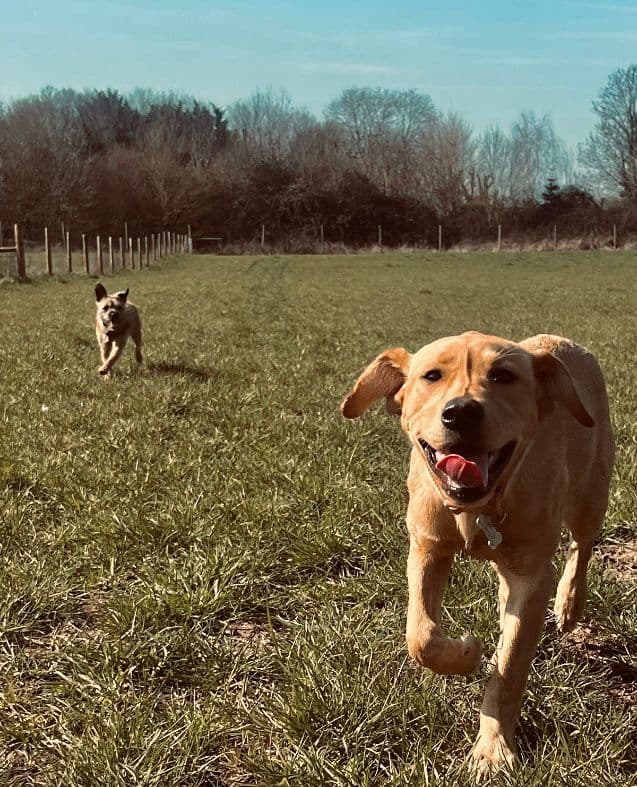
We have put together this guide so you know exactly where to go, what the rules are, and how to keep your dog safe at the seaside. Trust takes time. Whether you are looking for a quiet stretch of sand for an early-morning walk or a full family day out, there is a beach here for you.
West Mersea Beach
West Mersea is one of the best dog-friendly beach destinations near Essex. And the beach stretches along the south side of Mersea Island, and dogs are welcome year-round on the western end of the beach past the yacht club. During summer months (typically May to September), there are restricted zones closer to the main beach huts and facilities, but the western stretch remains open to dogs without restriction.
Our staff favourites include the Viper at Ingatestone - big beer garden, water bowls outside, and they genuinely do not care how muddy your dog is.
What you need to know
- Parking: There is a pay-and-display car park at the main beach, plus roadside parking along the coast road. It fills up fast on sunny weekends, so arrive early.
- Seasonal rules: Dogs are banned from the main bathing area between May and September. Head west past the yacht club and you are fine all year.
- Facilities: Toilets near the main car park. Several cafes and the famous oyster sheds are a short walk away. Not all cafes allow dogs inside, but most have outdoor seating.
- Terrain: A mix of sand, shingle, and mudflat depending on the tide. Watch out for oyster shells, which can cut paws.
Mersea Island itself is worth a full day out. Combine a beach walk with a stroll along the coastal path, lunch at one of the waterside pubs, and a visit to the vineyard. And dogs are welcome at most of these spots.
Frinton-on-Sea (off-season)
Frinton has one of the cleanest, most beautiful beaches on the Essex coast. Timing matters. A long sweep of golden sand backed by colourful beach huts and greensward. During the summer season (May to September), dogs are not permitted on the main beach between the two breakwaters. Outside of those months, the entire beach is open and it is genuinely stunning for a winter walk.
Our guide to dog-friendly pubs in Essex covers some related ground.
What you need to know
- Parking: Free street parking in Frinton, though it can be busy. The Esplanade has limited spaces close to the beach.
- Seasonal rules: No dogs on the main beach May to September between the marked breakwaters. Outside those months, dogs are welcome everywhere.
- Facilities: Toilets on the Esplanade. Frinton town centre is a few minutes walk and has cafes and shops.
- Terrain: Soft golden sand, very clean. Gentle slope into the sea makes it ideal for dogs who like to paddle.
If you are visiting in the off-season, Frinton is hard to beat. The beach is often deserted on weekday mornings, giving your dog the freedom to run, explore, and enjoy the space without any stress.
Walton-on-the-Naze
Walton-on-the-Naze is a proper old-school seaside town with an excellent beach for dogs. The Naze itself, the headland to the north. Is one of the best dog-walking spots on the Essex coast, with cliffs, grassland, and a long beach that stretches for miles. Dogs are welcome on the Naze beach year-round with no restrictions.
Our guide to dog-friendly days out in Essex covers some related ground.
What you need to know
- Parking: There is a car park at the Naze Tower (seasonal charge). Additional parking in Walton town. The Naze car park is the most convenient for the dog-friendly beach.
- Seasonal rules: No restrictions on the Naze beach. The main Walton town beach has seasonal restrictions near the pier during summer.
- Facilities: Cafe at the Naze Tower. Toilets in the car park. The tower itself is worth a visit and dogs are welcome on the grounds.
- Terrain: Sandy beach with some shingle. The cliff area can be muddy after rain. Watch for cliff falls, do not walk directly under the cliffs.
The Naze is also a Site of Special Scientific Interest, so you will see interesting geology and fossils along the cliff base. Keep your dog on a lead near the cliff edges and nesting areas during spring. Combine the beach walk with the John Weston Nature Reserve for a full morning out.
Southend-on-Sea
Southend is the closest seaside to most of Essex, which makes it tempting for a quick beach trip. Dogs notice (it happens more than you'd think). However, the dog rules are strict during summer. Dogs are banned from the main beaches (from Chalkwell to Shoebury East Beach) between May and September, with enforcement wardens active throughout. Outside those months, dogs are welcome along the entire seafront.
What you need to know
- Parking: Multiple pay-and-display car parks along the seafront. Prices vary and it gets extremely busy on warm weekends.
- Seasonal rules: Dogs banned from designated bathing beaches May to September. Check the local council website for exact zones as they update annually.
- Facilities: Extensive: toilets, cafes, restaurants, Adventure Island, the pier. Southend has everything for a family day out.
- Terrain: Varies from sandy to muddy depending on location and tide. The mud flats at low tide can extend a very long way. Do not walk too far out as the tide turns quickly.
Our honest advice: Southend is best for dogs outside of summer. During peak season, the crowds and restrictions make it stressful for dogs and owners alike. If you want a summer beach day with your dog, head further up the coast to Mersea or Walton instead. Every single time.
Leigh-on-Sea
Old Leigh has character in abundance. Cobbled streets, cockle sheds, fishing boats, and a stretch of foreshore that dogs love. The beach area at Two Tree Island is particularly good for dog walking, with salt marshes and mudflats that are fascinating for dogs to explore. Dogs are welcome on the foreshore and Two Tree Island year-round.
What you need to know
- Parking: Limited parking along the old town high street. There is a car park at Two Tree Island (free, but small). Bell Wharf car park near the cockle sheds.
- Seasonal rules: The main Leigh beach (Bell Wharf area) has summer restrictions. Two Tree Island and the foreshore path towards Benfleet are open year-round.
- Facilities: Plenty of pubs and cafes in Old Leigh, many dog-friendly with outdoor seating. The Crooked Billet and The Peter Boat are popular choices.
- Terrain: Muddy at low tide. Wellies recommended. The paths on Two Tree Island can be boggy after rain.
Leigh is brilliant for a combined walk and lunch. We've had customers tell us that walk along the seawall from Two Tree Island towards Benfleet, then loop back through Old Leigh for fish and chips on the waterfront. Your dog will be thoroughly happy and thoroughly muddy.
Brightlingsea
Brightlingsea is a hidden gem on the Colne estuary with a lovely stretch of beach and open water. Dogs are welcome on the beach year-round, and the promenade walk is excellent for on-lead strolling with views across to Mersea Island. The beach is quieter than most Essex coastal spots, even in summer.
What you need to know
- Parking: Free car park near the beach and lido. Additional street parking in the town.
- Seasonal rules: No dog restrictions on the main beach. Dogs should be on leads on the promenade during busy periods.
- Facilities: Cafe near the lido, toilets in the car park. Brightlingsea town centre has pubs and shops within walking distance.
- Terrain: Shingle and sand. The water is tidal and can have strong currents at the estuary mouth, keep dogs close to shore.
If you are looking for a quieter alternative to the bigger Essex beaches, Brightlingsea is well worth the drive. The lack of crowds means your dog can enjoy proper off-lead time without the stress of dodging sunbathers and picnics. Without fail.
Beach safety tips for dogs
A beach trip should be fun, not a trip to the emergency vet. Here is what every dog owner should know before heading to the coast.
Salt water
Dogs love drinking sea water and it makes them sick. Timing matters. Bring plenty of fresh water and a portable bowl. Offer water regularly so your dog is not tempted to drink from the sea. If your dog drinks a lot of salt water, watch for vomiting, diarrhoea, and lethargy: contact your vet if symptoms are severe.
Sand
Dogs can ingest sand while playing with balls or digging. We've tried most of these ourselves. Perks of the job, and sand impaction is a genuine veterinary emergency. Watch how much sand your dog is consuming and switch to games that do not involve picking things up off the ground if they are eating a lot of sand.
Heat
Beaches offer little shade. Keep it simple. Dogs overheat much faster than humans. Visit early morning or late afternoon in summer. Bring shade (a beach tent or umbrella), plenty of water, and watch for signs of heatstroke: excessive panting, drooling, red gums, wobbliness, vomiting. If in doubt, cool your dog with wet towels and get to a vet immediately.
Tides and currents
The Essex coast has significant tidal ranges. Check tide times before you go. Do not let your dog swim in areas with strong currents, near groynes, or around boats and harbour mouths. If you are unsure about conditions, keep your dog on a lead near the water.
Jellyfish and debris
Beaches can have jellyfish (even dead ones can sting), fishing hooks, broken glass, and sharp shells. Keep an eye on what your dog is sniffing and picking up. If your dog stands on something sharp, rinse with clean water and apply pressure to stop bleeding.
Rinsing off
Salt water and sand irritate skin. Rinse your dog with fresh water after every beach visit, paying attention to ears, paws (between the pads), and belly. This prevents salt rash and removes sand that could cause irritation.
What to bring
- Fresh water and a collapsible bowl
- Poo bags (non-negotiable. Bag it and bin it)
- A long line or lead (for areas with restrictions)
- A towel for drying off
- Sun protection for you and shade for your dog
- A first aid kit with tweezers, antiseptic wipes, and bandages
- High-value treats for recall practice
Key takeaways
- West Mersea, Walton-on-the-Naze, and Brightlingsea are the most reliably dog-friendly beaches near Essex year-round
- Frinton is outstanding in the off-season but restricted in summer
- Southend has strict summer bans. Save it for autumn and winter
- Always check seasonal rules before you go, as councils update restrictions annually
- Bring fresh water, watch for salt water ingestion, and visit during cooler parts of the day in summer
- Rinse your dog thoroughly after every beach visit
Before you hit the beach
If your dog needs to burn off some energy before a car journey, or if you want a safe space to practise recall before letting them off-lead at the beach, our secure dog parks and enclosed dog fields across Essex are the perfect warm-up. Book a session, tire them out, and head to the coast with a calmer, happier dog.
Need help with recall or beach-specific skills like leaving things alone and coming back when called? Our trusted trainers in Essex can help you build those skills so beach trips are stress-free for everyone. Get in touch and we will point you in the right direction.
Written by the Wagtails team: qualified dog professionals based in Rettendon, Essex. We run 5-star licensed day care and three private dog parks, and we work with a network of trusted trainers, walkers, and groomers across the county.