Last reviewed: May 2026
Why the right dog walker matters
Hiring a dog walker is one of the most important decisions you will make for your dog's wellbeing. This person will have unsupervised access to your home, your dog, and your trust. And a great dog walker becomes part of your dog's life, someone they are genuinely excited to see, who keeps them safe, exercised, and happy when you cannot be there. A bad one can put your dog at risk, cause stress, and leave you worried every time you hand over the lead.
The dog walking industry in England is unregulated. Anyone can set up as a dog walker tomorrow with no training, no insurance, and no checks. That makes it your responsibility to do thorough due diligence before you hire. This guide gives you a comprehensive checklist to work through, the red flags that should make you walk away, and practical advice on building a good working relationship with the walker you choose.
The essential checklist: 15 things to verify
1. Insurance
That's non-negotiable. And your dog walker must have public liability insurance and care, custody, and control cover. Public liability covers damage to third parties (if a dog they are walking injures someone or damages property). Care, custody, and control covers injury or loss of your dog while in their care. Ask to see the certificate and check the cover amount. A minimum of 1 million pounds public liability is standard; 5 million is better.
We work closely with dog walkers across Essex through our dog training page, so we know exactly what separates a great walker from an average one. The checklist below comes from years of vetting walkers ourselves.
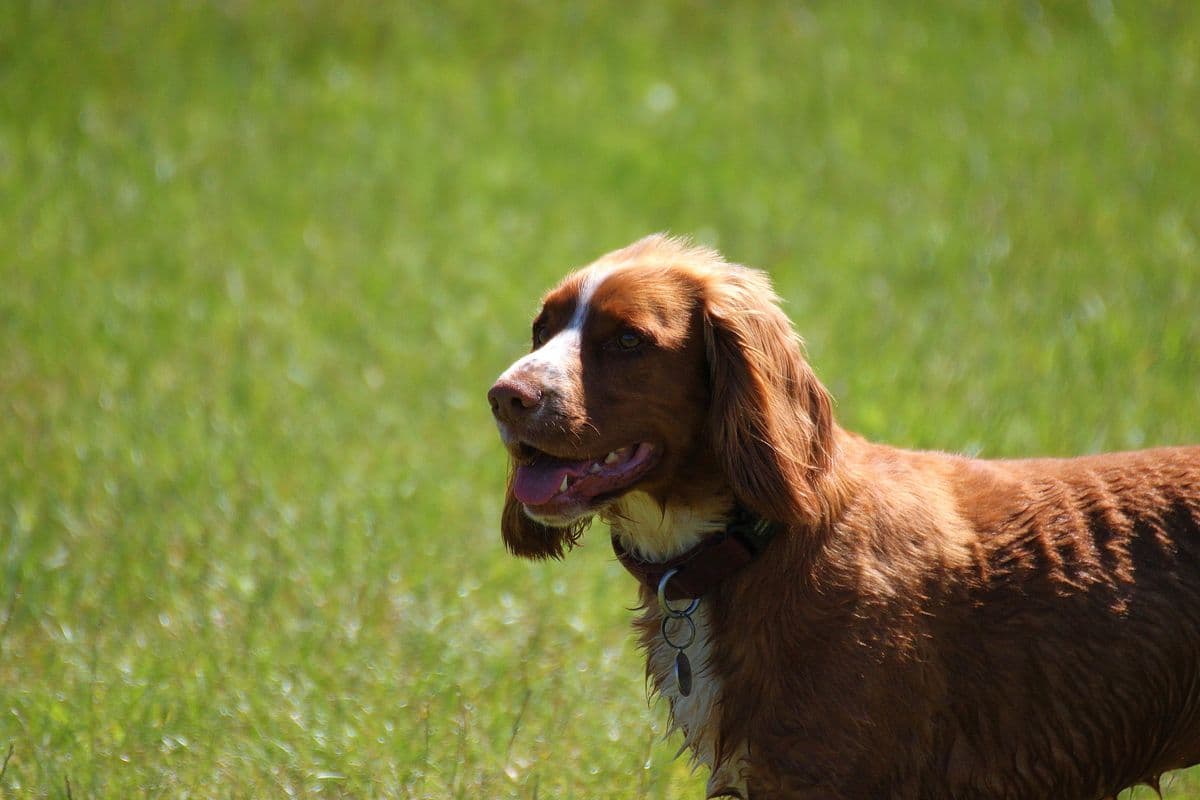
A customer mentioned her elderly Springer perks up completely on walk days: ears up, tail wagging before the walker even rings the bell.
2. DBS check
A Disclosure and Barring Service check is not legally required for dog walkers, but it shows professionalism and a willingness to be transparent. We know from our own experience on Essex walks that many good walkers get one voluntarily. But it is particularly important if the walker will be entering your home.
3. Training and qualifications
Look for evidence of training in canine first aid, dog behaviour, and group walking. Recognised qualifications include Canine First Aid certificates, City and Guilds in animal care, and certificates from organisations like the Institute of Modern Dog Trainers. Continuing professional development shows someone who takes their work seriously.
4. Experience
How long have they been walking dogs professionally? What breeds and temperaments have they worked with? Experience matters because unexpected situations arise on walks, loose dogs approaching, a dog eating something they should not, a sudden injury, and an experienced walker handles these with confidence rather than panic.
5. References
Ask for references from current clients and actually contact them. Ask specifically about reliability, communication, how the walker handles their dog, and whether there have been any incidents. Online reviews are useful but can be curated. Direct references from real clients are more reliable.
6. Group size
How many dogs does the walker take out at once? Smaller groups are generally safer and mean each dog gets more individual attention. Four to six dogs is a reasonable maximum for one walker. Some walkers take out eight or more, which makes it very difficult to manage emergencies, pick up after every dog, and keep everyone safe. Your local council may also have a maximum group size stipulation in their licensing conditions. Not overnight, though.
7. Transport
How are dogs transported to and from walks? The vehicle should be secure, with individual compartments or crates, proper ventilation, and temperature control. Dogs loose in the back of a van is not acceptable. Ask to see the vehicle.
8. Walking locations
Where does the walker take dogs? Are the routes safe, varied, and appropriate for your dog's needs? A good walker uses a range of locations and adjusts routes based on weather, the dogs in the group, and seasonal factors like livestock in fields.
9. Off-lead policy
Does the walker let dogs off-lead? If so, under what circumstances? A responsible walker only lets a dog off-lead if they are confident in the dog's recall and the location is safe. They should not let your dog off-lead without your explicit consent, and they should have assessed the dog's recall before doing so.
10. Emergency procedures
What happens if your dog is injured or becomes ill during a walk? A good walker has a clear emergency plan: they know the location of the nearest vet, they carry a basic first aid kit, they have your emergency contact details and your vet's details stored on their phone, and they know what to do in common emergency scenarios.
11. Backup plan
What happens if the walker is ill, on holiday, or has a personal emergency? Do they have a backup walker? If so, what are that person's qualifications and insurance? You should meet the backup before they walk your dog. Rain or shine.
12. Communication
How will the walker communicate with you? The best walkers send regular updates, often including photos and a brief summary of how the walk went. Trust takes time. Our team always recommends that's not just nice to have; it gives you confidence that your dog is being properly cared for and lets you spot any changes in behaviour or condition that might need attention.
13. Key handling and home security
If the walker needs access to your home, how do they handle keys? Keys should be stored securely, never labelled with your address, and not shared with anyone else. Some walkers use key safes or smart locks, which can be more secure than physical key handover.
14. Cancellation and booking policy
Understand the terms before you commit. How much notice do you need to give for cancellations? Is there a charge for late cancellations? How far in advance do you need to book? What happens on bank holidays? Clear, fair terms prevent misunderstandings later.
15. Gut feeling
After checking all the practical boxes, trust your instincts. Watch how the walker interacts with your dog. Are they calm, confident, and genuinely interested in your dog? Does your dog seem comfortable with them? A good walker reads dogs well and adjusts their approach to each individual. If something feels off, it probably is.
Red flags that should make you walk away
- No insurance or unwilling to show proof: This is an absolute deal-breaker. Walk away immediately.
- Very large group sizes: Eight or more dogs with one walker is risky. If they boast about walking ten dogs at once, that is not impressive, it is concerning.
- No meet and greet offered: A professional walker will always want to meet your dog before the first walk to assess temperament, energy level, and compatibility with the existing group. If they just say "drop them off," find someone else.
- Dogs transported unsecured: Dogs loose in a van or boot without crates or barriers is unsafe and shows a lack of professionalism.
- Poor communication: If they are hard to reach before you have even hired them, it will not improve once they have your business.
- Reluctance to share details: A professional walker is happy to answer questions about their training, insurance, emergency procedures, and walking locations. Evasiveness is a red flag.
- Using aversive methods: If a walker talks about using aversive collars, electronic training devices, or "showing the dog who is boss," they are using outdated and potentially harmful methods. A good walker manages behaviour through positive reinforcement and good group management.
- Consistently late or unreliable: If they cannot keep to the agreed schedule, your dog may be left longer than planned or rushed through a shorter walk.
The meet and greet: what to expect and what to ask
A proper meet and greet should happen before any walking takes place. That's where the walker meets your dog, assesses their temperament, and decides whether they are a good fit for the existing walking group. It is also your chance to assess the walker.
If you're also interested in how much exercise your dog needs, many of the same ideas apply.
Our guide to day care vs a dog walker covers some related ground.
What the walker should do
- Let your dog approach them on their own terms, not force interaction
- Observe your dog's body language and energy level
- Ask detailed questions about your dog's behaviour, health, likes, and dislikes
- Discuss your dog's recall, lead manners, and any triggers or sensitivities
- Explain how they manage groups and where they walk
- Share their emergency procedures
What you should ask
- Which dogs will mine be walking with? Can I meet them?
- How will you introduce my dog to the group?
- What do you do if my dog does not get along with another dog?
- How do you handle a dog that will not recall?
- What happens in bad weather?
- How do you deal with an aggressive dog approaching the group?
What to expect on the first walk
Your dog's first walk with a new walker should be a gentle introduction. It works. A good walker will keep the first session shorter and less demanding than usual, focusing on building trust and letting your dog settle into the new routine. They should update you afterwards with an honest assessment of how your dog coped and whether any adjustments are needed.
It is normal for dogs to take a few walks to settle in. Some are immediately comfortable; others need two or three sessions to find their feet. A good walker recognises this and adjusts their approach accordingly rather than expecting every dog to slot in immediately.
Building a good working relationship
- Communicate changes: Tell your walker about anything that might affect the walk, changes in your dog's health, new medication, a recent scare, or a change in routine at home.
- Respect the schedule: Be ready on time. If the walker is collecting your dog, have them ready to go. Running late affects every other dog on the schedule.
- Give honest feedback: If something is not working, say so directly and kindly. Most walkers appreciate honest feedback and will adjust.
- Pay on time: Prompt payment shows respect for the walker's work and maintains a positive professional relationship.
- Trust the professional: If your walker recommends that your dog stay on-lead for a session, or suggests a different walking group, trust their judgment. They see your dog in a context you do not.
Every walker in our directory has been through this exact checklist. We check their insurance, DBS, group sizes, and walking locations before we will recommend them to anyone.
Key takeaways
- Always verify insurance, references, and emergency procedures before hiring
- Smaller group sizes (four to six dogs) are safer and provide better individual attention
- A proper meet and greet before the first walk is essential, skip any walker who does not offer one
- Watch for red flags: no insurance, large groups, poor communication, aversive methods
- Build a good relationship through honest communication, reliability, and mutual respect
- The right walker becomes a trusted part of your dog's life, take the time to find one
Find a trusted walker through Wagtails
Our dog walking directory features vetted, insured walkers across Essex who meet our standards for professionalism, training, and animal welfare. Every walker listed has been assessed and verified.
For a broader range of professional services, browse our dog dog training page covering everything from trainers and groomers to behaviourists and pet sitters.
Get in touch to find the right walker for your dog
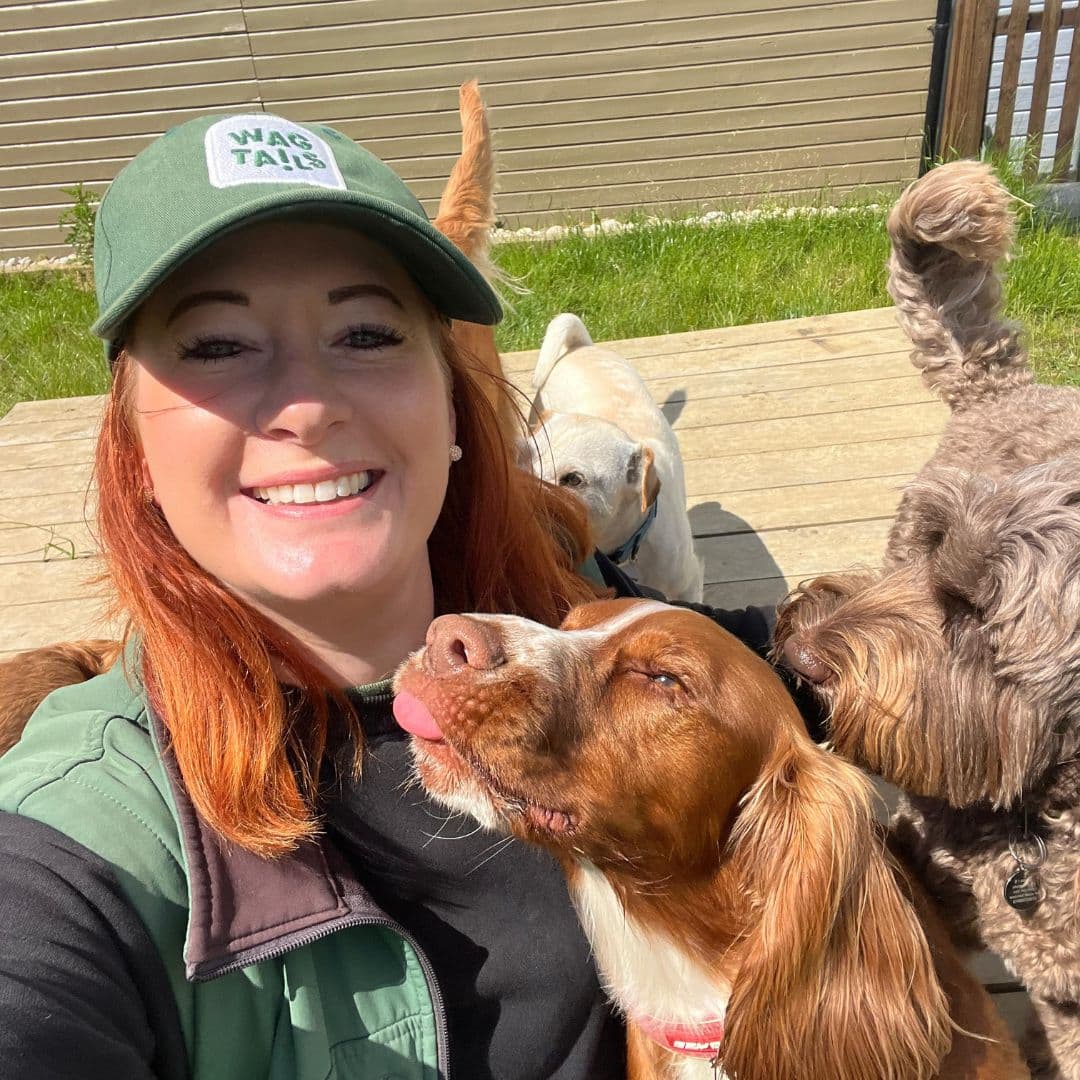
Written by the Wagtails team: qualified dog professionals based in Rettendon, Essex. We run 5-star licensed day care and three private dog parks, and we work with a network of trusted trainers, walkers, and groomers across the county.