Last reviewed: May 2026
Grouping is everything
If you've ever watched a children's playground, you'll know that mixing five-year-olds with teenagers doesn't end well. And the little ones get trampled, the big ones get frustrated, and nobody has a good time. Dogs are exactly the same.
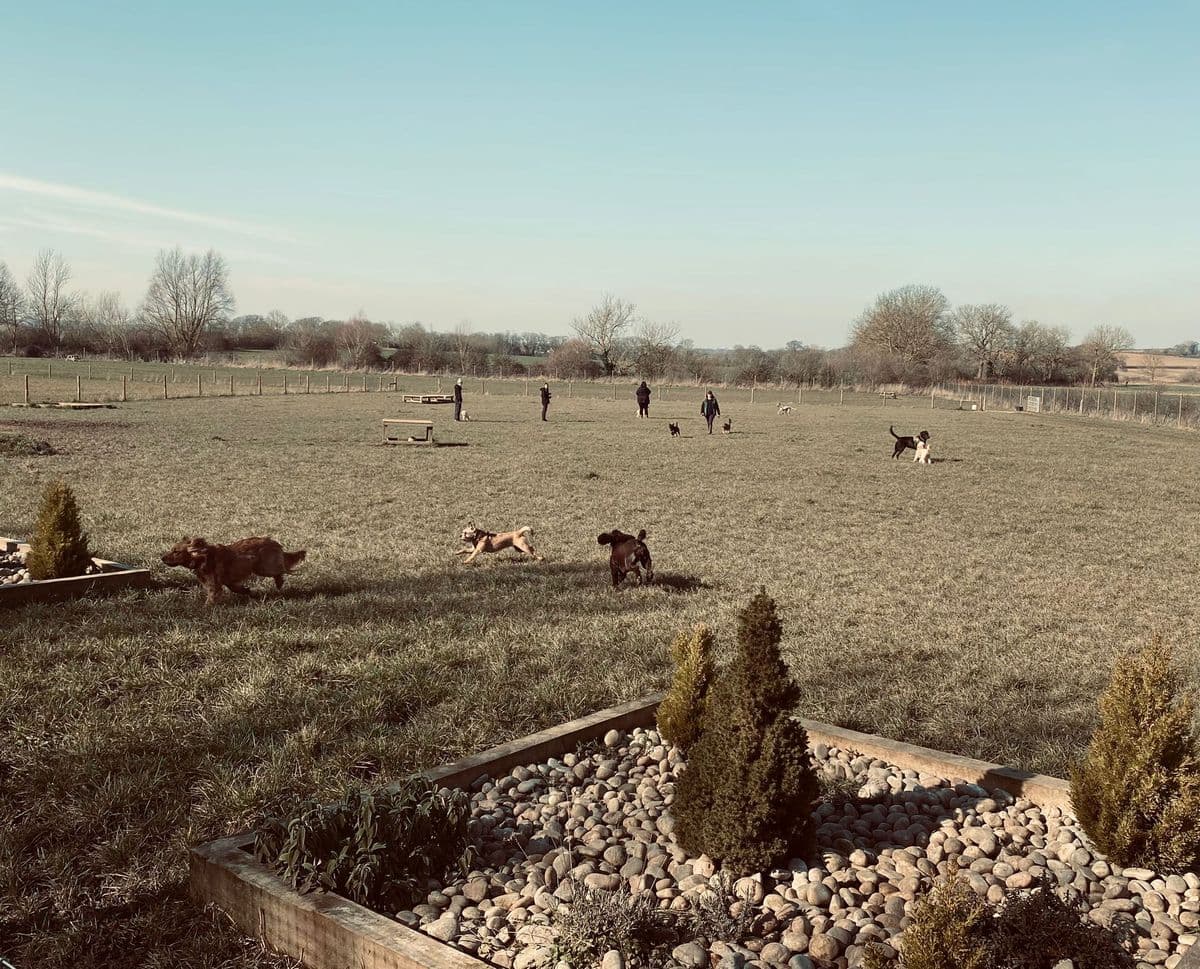
Proper grouping is arguably the single most important thing that separates good doggy day care from a chaotic free-for-all. Trust takes time. Get it right, and every dog has a brilliant day. Get it wrong, and you end up with stressed, overwhelmed, or injured dogs. At Wagtails, grouping is something we take extremely seriously, and it's far more nuanced than just putting the big dogs together and the small dogs together. More than most people think.
Why grouping matters
Safety
The most obvious reason. But a 4kg Chihuahua playing with a 40kg Labrador is a recipe for accidental injury, even if both dogs are friendly. Size differences create risk during play. A big dog's paw swipe is a Chihuahua's full-body slam. Proper grouping minimises the risk of accidental harm.
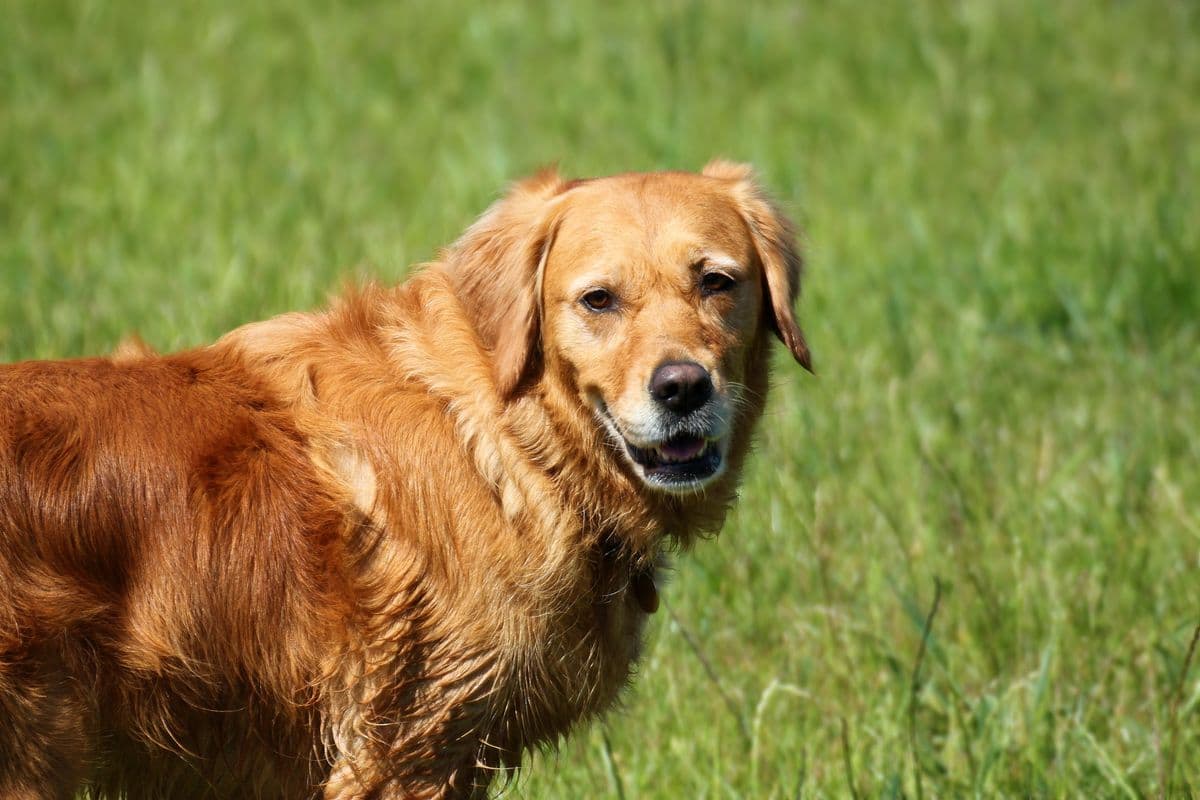
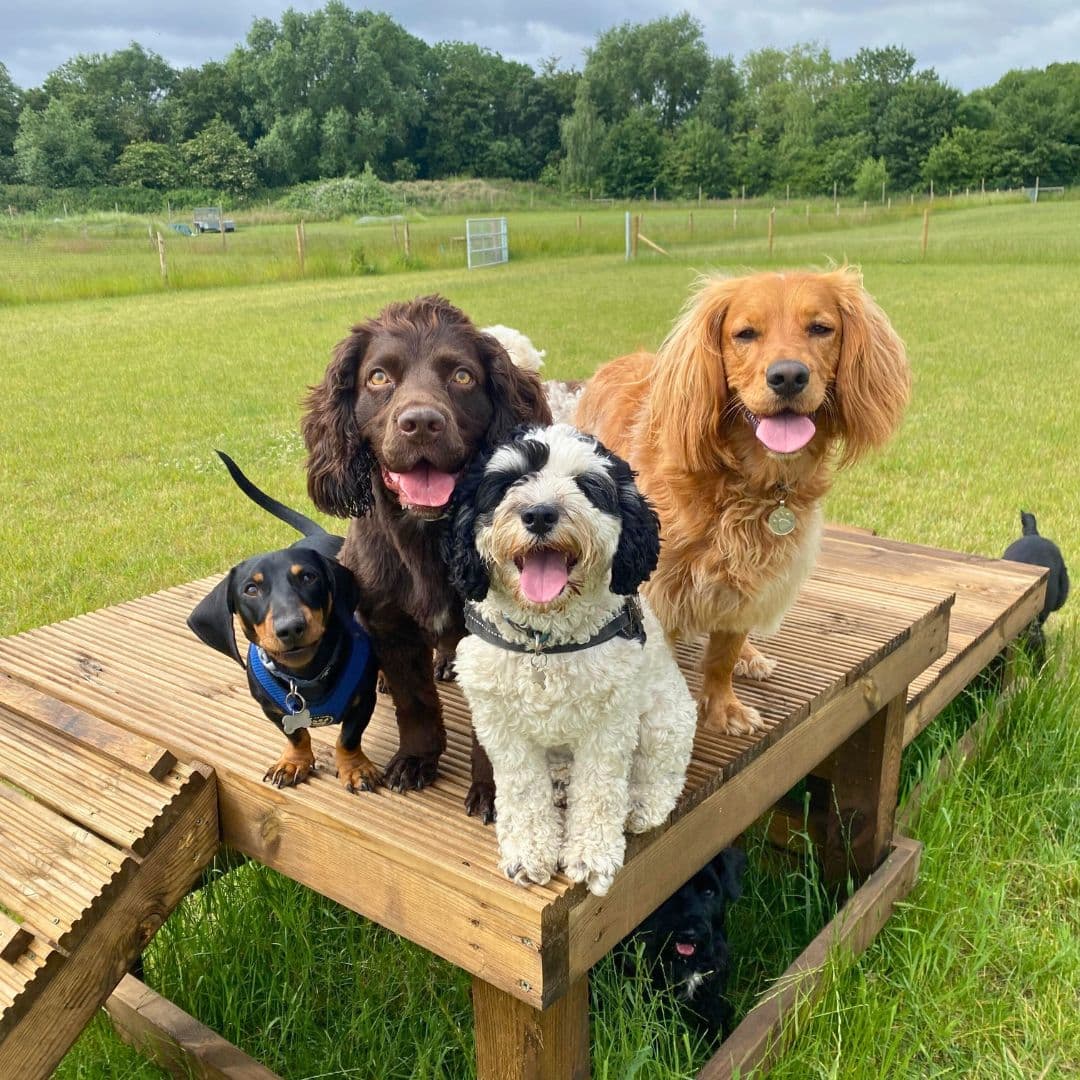
A cockapoo called Dotty took three trial sessions before she settled into a group, but now she practically drags her owner through the door every morning.
Enjoyment
Dogs have the best time when they're with others who match their play style and energy. And a gentle, older dog that enjoys a slow sniff around the garden doesn't want to be chased relentlessly by a young Springer Spaniel. A bouncy young Labrador doesn't want to sit quietly with a group of elderly dogs. Matching dogs to compatible groups means everyone actually enjoys their day. Rain or shine.
Confidence building
For nervous or new dogs, being in the right group is the difference between building confidence and losing it. A shy dog placed with calm, steady dogs will gradually come out of their shell. The same dog placed with boisterous, intense dogs will shut down further. Grouping is one of the most powerful tools we have for supporting dogs that need a confidence boost.
Preventing conflict
Most scuffles at day care happen because of poor grouping: dogs with incompatible play styles, mismatched energy levels, or clashing personalities. When groups are thoughtfully composed, conflict drops dramatically because there's less frustration, less competition, and more compatibility.
The three pillars of grouping
1. Size
That's the starting point, but it's not as simple as "small, medium, large." We consider:
Our guide to what happens at day care covers some related ground.
- Physical size and weight. A 10kg Cocker Spaniel and a 12kg Border Terrier can play safely together, but a 10kg Cocker and a 35kg German Shepherd is a bigger mismatch
- Build and robustness, some small dogs are stocky and strong (Staffies, French Bulldogs), while some larger dogs are delicate and light-framed. A solid 15kg dog might play happily with a gentle 25kg dog
- Play style relative to size. A large dog that plays gently can sometimes be grouped with medium dogs. A small dog that plays intensely might be too much for other small dogs
Size grouping creates a safe foundation. But it's just the beginning.
2. Temperament
It's where the real skill comes in. Our staff assess every dog's temperament and match accordingly:
- Confident and social: these dogs enjoy active play, seek out other dogs, and handle new situations well. They thrive in groups with similar energy
- Calm and steady: dogs that enjoy company but prefer a quieter day. They're happy to share space without necessarily engaging in rough play. Perfect companions for nervous newcomers
- Nervous or uncertain: dogs that need time to warm up, prefer familiar friends, and can be overwhelmed by intense play. These dogs go in our gentlest groups with the steadiest companions
- Playful but easily overwhelmed. Some dogs love playing but hit a threshold quickly. They need groups that play in bursts with natural breaks, not relentless activity
Temperament assessment isn't a one-time thing. We observe dogs continuously and adjust group placements as we learn more about each individual. A dog that seems confident on day one might reveal some anxiety by week two. A nervous dog might blossom into a confident player after a month. We adapt.
3. Energy level
Energy level is different from temperament. A dog can be calm in temperament but high in energy, they just need to run. Another dog might be bold in temperament but low in energy. They're confident but lazy. We match energy levels so that no dog is constantly chasing a group that's resting, and no dog is being pestered by a group that won't stop.
Energy levels also change throughout the day. We see this every week in our day care: dogs who the morning might see high-energy groups doing active play while calmer groups enjoy enrichment. By afternoon, energy drops across the board, and groups naturally become more settled. We adjust activities and group compositions accordingly.
How groups change through the day
Groups aren't fixed from 8am to 6pm. Throughout the day, we:
There's more on this in our guide to whether day care is worth it.
- Rotate groups through different areas: indoor play space, outdoor yard, enrichment room, quiet rest area. This prevents boredom and territorial behaviour
- Split groups for rest periods. Every dog gets downtime, but some need more than others. Heavy sleepers might rest longer while light sleepers move to a gentle enrichment activity
- Adjust for afternoon energy: morning groups that started at maximum excitement naturally wind down. Afternoon groupings reflect this lower energy, with more emphasis on calm enrichment and gentle socialisation
- Respond to individual needs: if a dog is having an off day (less energy, slightly unsettled, not feeling social), we might move them to a quieter group or give them some one-on-one time with a staff member
What happens with new dogs
When a new dog joins. Trust takes time. Whether they're a puppy starting day care or an adult trying it for the first time. We don't slot them straight into an established group. The introduction process goes:
- Assessment period: staff observe the new dog's behaviour, body language, play style, and energy level in a neutral space
- One-on-one introduction, the new dog meets one or two calm, experienced day care dogs. These "mentor dogs" are chosen for their steady, tolerant temperament
- Small group trial: if one-on-one introductions go well, the new dog joins a small group that matches their assessed temperament and energy
- Full group integration: over the next few visits, the new dog gradually integrates into their regular group
This process might take one visit or several, depending on the dog. We never rush it. A good first impression of day care lasts a lifetime. A bad one can take months to undo.
The role of staff in all of this
Grouping only works if the people managing it are skilled. Keep it simple. Our day care staff are trained in canine body language, play styles, and stress signals. They're watching constantly. Not from a distance with a cup of tea, but actively supervising, moving between groups, intervening when play gets too rough, redirecting dogs that are getting frustrated, and identifying dogs that need a break.
The staff-to-dog ratio is critical here. If one person is watching 20 dogs, they can't manage grouping effectively. Small groups with adequate supervision is the only way to do this properly.
Common grouping challenges and how we solve them
Grouping isn't always straightforward. Here are some common challenges we encounter and how we handle them:
The play style mismatch: Some dogs love body-slamming and wrestling. Others prefer chase games. And some just want to run side by side without any physical contact. When a wrestler ends up with a chase dog, neither is having fun. We identify play styles early and match accordingly, sometimes splitting what looks like a compatible group because the play styles just don't click.
The over-aroused player: Some dogs play beautifully for ten minutes, then tip into over-arousal, play gets too rough, too fast, too intense. These dogs need structured breaks, not unlimited play time. We rotate them in and out of play sessions, using enrichment or quiet time to bring their arousal level back down before they rejoin.
The dog that plays too hard with one specific dog: Sometimes two individual dogs bring out the worst in each other. Separately, they're fine. Together, they wind each other up. The solution is simple: they go in different groups. No drama, no labels: just a practical adjustment.
What about dogs that don't fit any group?
Occasionally, we have a dog that doesn't fit comfortably into any existing group. Maybe they have a very unusual play style, they're recovering from an injury, or they need more one-on-one attention. In these cases, we adapt. That might mean creating a temporary group of two, giving them solo enrichment time with a staff member, or adjusting their day to include more rest and fewer group interactions.
If a dog genuinely can't cope in any group setting, we'll have an honest conversation with the owner about whether day care is the right fit or whether alternatives like dog walking or private field sessions might be better.
Key takeaways
- Grouping is the most important factor in a safe, enjoyable day care experience
- Dogs are grouped by size, temperament, and energy level. Not just thrown together
- Groups are dynamic, changing throughout the day as energy levels shift
- New dogs are introduced gradually through mentor dogs and small group trials
- Skilled staff and good ratios make effective grouping possible
- If a dog doesn't suit any group, honest conversation and alternatives are better than forcing it
See our grouping in action
Curious about how your dog would be grouped? Book a trial day at Wagtails Day Care and we'll show you exactly how we assess, match, and manage groups. Routine helps. Our team always recommends your daily report will include details about which group your dog joined and how they got on. Get in touch to arrange a visit or a trial.
Written by the Wagtails team: qualified dog professionals based in Rettendon, Essex. We run 5-star licensed day care and three private dog parks, and we work with a network of trusted trainers, walkers, and groomers across the county.