Last reviewed: May 2026
The first groom sets the tone for life
Your puppy's first grooming experience is one of the most important appointments of their early life. And a positive first visit creates a dog that's relaxed, cooperative, and even happy at the groomer for years to come. A negative one can create lasting fear and anxiety that makes every future groom stressful for the dog, the groomer, and you.
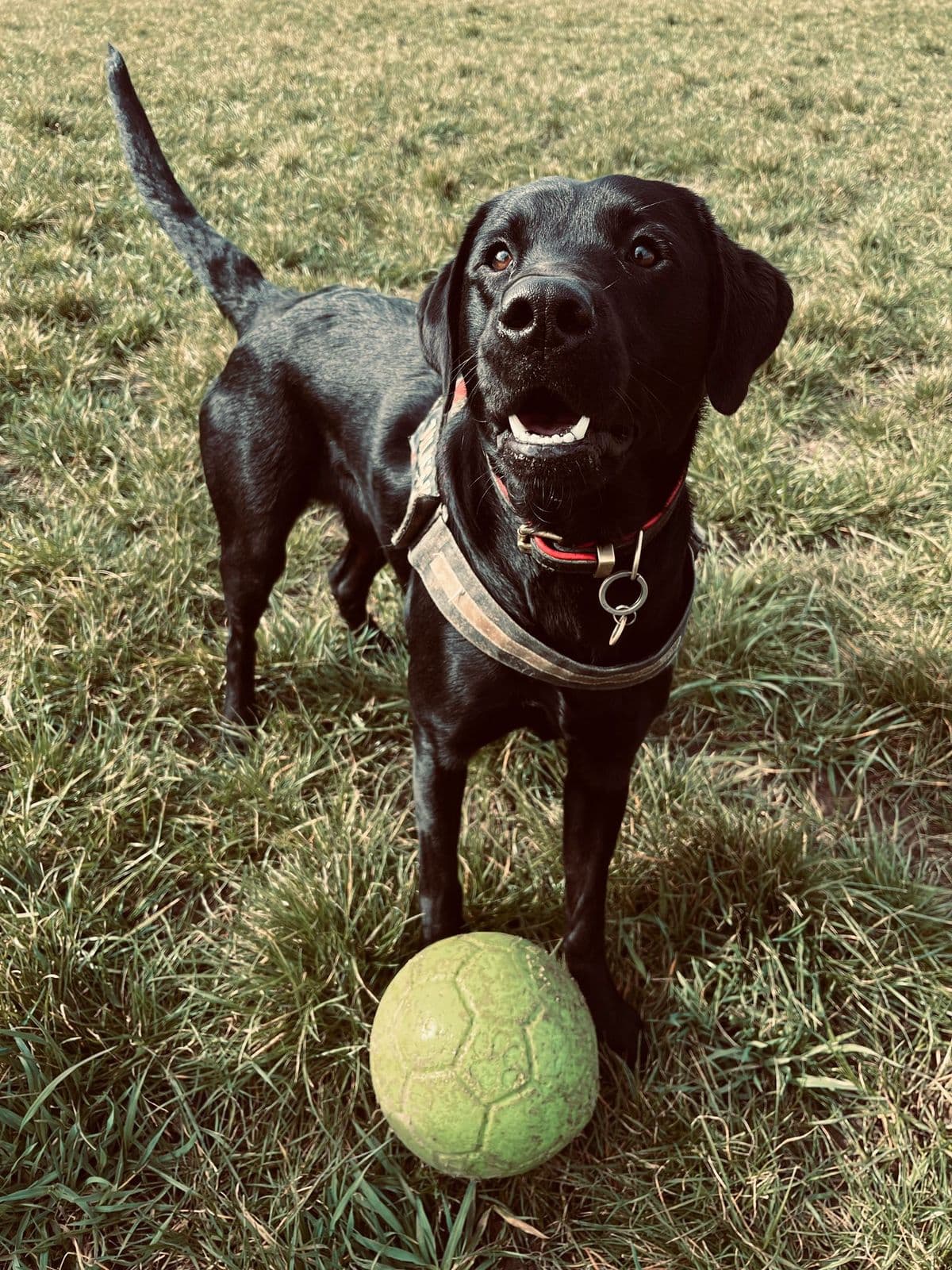
The stakes are higher than most new puppy owners realise. But a dog that's frightened of grooming is a dog that may need to be muzzled for nail trims, sedated for clipping, or shaved down because they won't tolerate brushing. None of that is necessary if the first experience is handled well. Taking the time to prepare your puppy properly is one of the best investments you can make in their lifelong welfare.
When should a puppy have their first groom?
Most groomers recommend bringing your puppy in for their first appointment between 12 and 16 weeks of age, ideally two weeks after their second vaccination. Our grooming partners regularly tell us that this timing is deliberate. And it falls within the critical socialisation window when puppies are naturally receptive to new experiences and less likely to develop lasting fear responses.
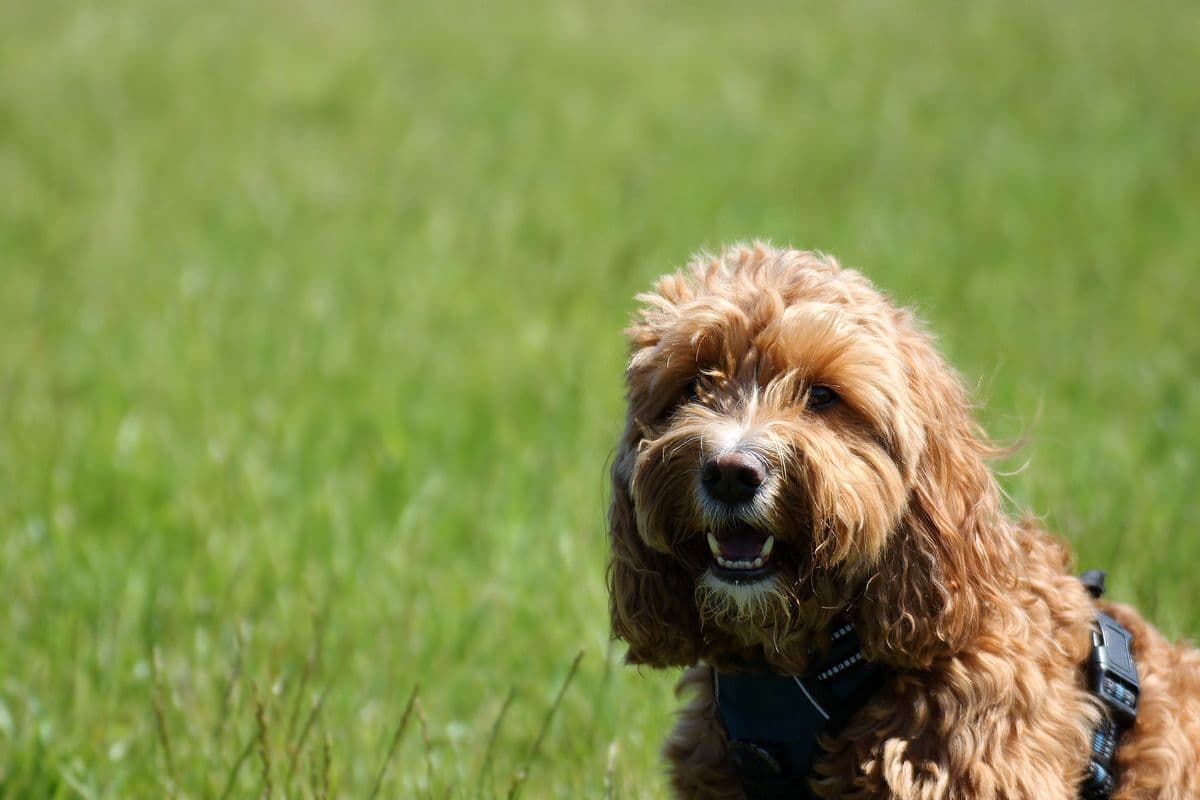
A groomer in our directory worked with a nervous rescue Poodle cross for four sessions before she'd even let the dryer come out. That patience is everything.
Some owners wait until their puppy "needs" a groom, which might not be until they're 6 or 7 months old with a coat full of tangles. By that age, the socialisation window has closed. The puppy is now an adolescent encountering loud clippers, running water, strange handling, and unfamiliar smells for the first time during a life stage when new experiences are naturally more anxiety-provoking. It's much harder to create a positive association at this point.
The first groom isn't really about the haircut. It's about the experience. A good groomer understands this and will prioritise making the visit positive over achieving a perfect finish.
Preparation at home: handling exercises
The single most effective thing you can do to prepare your puppy for grooming is to practise gentle handling at home, every day, from the moment you bring them home. These exercises teach your puppy that being touched, held, and examined is normal, safe, and even rewarding.
There's more on this in our guide to the new puppy checklist.
Paws
Gently hold each paw, touch between the toes, press lightly on the pads, and extend the nails. This prepares them for nail clipping and paw trimming. Most dogs that resist nail trims were never taught as puppies that having their feet handled is acceptable. Reward generously with treats. You want your puppy to actively enjoy having their paws touched.
Ears
Lift the ear flaps, look inside, touch around the ear opening, and gently handle the ear leather. Routine helps. This prepares them for ear cleaning and inspection. Many breeds are prone to ear infections, so your groomer (and vet) will need to examine ears regularly throughout your dog's life.
Mouth
Gently lift your puppy's lips to look at their teeth and gums. Touch the outside of the muzzle. This prepares them for face trimming and general health checks. A dog that won't let anyone near their mouth is at a significant disadvantage when it comes to dental care.
Body
Run your hands over your puppy's entire body. Chest, belly, legs, tail, around the hindquarters. Hold them gently but firmly for a few seconds at a time, as a groomer would when positioning them on the table. Touch their collar area, run your fingers through their coat, and gently lift them (if small enough) to simulate being placed on a grooming table.
Sounds
Introduce your puppy to the sounds they'll encounter at the groomer: electric clippers (use an electric toothbrush as a substitute), hair dryers on the lowest setting from a distance, running water, and scissors snipping (just the sound, near but not on the puppy). Start at low volumes and from a distance, gradually moving closer as your puppy shows they're comfortable.
Do these exercises for just 2 to 3 minutes at a time, several times a day. Always pair handling with high-value treats. If your puppy pulls away or shows discomfort, slow down. Don't force it. The goal is a puppy that chooses to accept handling because it's been consistently paired with good things.
Our puppy day care includes daily handling exercises as part of the programme. Puppies that attend day care regularly tend to be significantly more comfortable at the groomer because they're used to being handled by different people in different contexts.
What the first groom includes
A good groomer structures the first puppy visit very differently from a regular adult groom. Keep it simple. The focus is on positive experiences, not perfection. A typical first puppy groom might include:
You might also find our post on brushing your dog at home helpful.
- A calm introduction: letting the puppy explore the salon, sniff the equipment, and meet the groomer at their own pace
- Gentle brushing, a short session with a soft brush to introduce the sensation
- A mini bath: warm water, gentle puppy-safe shampoo, and lots of reassurance
- Gentle drying: using a dryer on the lowest, quietest setting, or towel drying if the puppy is nervous
- Face and paw tidy. A light trim around the eyes, feet, and sanitary areas
- Nail trim: just the tips, done carefully with treats
The first visit usually lasts 30 to 45 minutes, much shorter than a full adult groom. Small steps. The groomer is watching your puppy's body language throughout and will stop or adjust if the puppy shows signs of stress. Some groomers include treats and breaks as standard practice for puppy visits.
What the first groom does NOT include
A first groom typically won't involve a full haircut, extensive clipping, or any procedure the puppy isn't ready for. If a groomer insists on doing a complete breed cut on a 14-week-old puppy who's never been groomed, consider finding a different groomer. The priority is building trust, not achieving a show-ring finish.
What to tell the groomer
Communication between you and the groomer is essential for a successful first visit. Before the appointment, tell your groomer: Especially in winter.
- Your puppy's age and breed (or mix)
- Whether this is genuinely their first groom ever
- What handling exercises you've done at home and how your puppy responded
- Any areas your puppy is sensitive about (many puppies are foot-shy or don't like their tail touched)
- Your puppy's general temperament: confident, nervous, bouncy, mouthy
- Any health concerns, allergies, or skin sensitivities
- That you prioritise a positive experience over a perfect haircut
A good groomer will appreciate this information and adjust their approach accordingly. They've groomed hundreds of puppies and know exactly how to read your dog's body language and adapt in real time. Trust their expertise. If they say your puppy has had enough and suggest finishing the session short, that's the right call.
Common reactions and what they mean
Puppies react to their first groom in different ways, and understanding what's normal helps you stay calm: No exceptions.
Wiggly and excitable
Very common. Puppies are curious and everything is new and interesting. They want to investigate, play, and bounce around. The groomer will work with this energy, using calm handling and patience to keep the puppy focused.
Mouthy
Also very common. Patience pays off. Puppies explore with their mouths, and many will try to nibble the brush, the dryer hose, or the groomer's hands. This isn't aggression. It's puppy behaviour. A good groomer redirects this calmly without making a fuss.
Nervous or uncertain
Some puppies are naturally cautious about new experiences. They may freeze, tremble, or try to get down from the table. The groomer will slow down, offer treats, and work at the puppy's pace. A nervous first visit that ends on a positive note is far more valuable than pushing through and finishing the groom while the puppy is stressed.
Crying or vocalising
Some puppies vocalise when they're uncertain or frustrated. It sounds distressing but is often simply the puppy expressing discomfort with the unfamiliar situation. The groomer will assess whether the puppy is genuinely distressed or just protesting, and adjust accordingly.
After the first groom: follow-up at home
What you do in the days after the first groom reinforces the experience. Continue your handling exercises at home, maintaining the association between being touched and receiving treats. Brush your puppy gently for a few minutes each day, even if their coat doesn't technically need it yet. The habit matters more than the grooming outcome at this stage.
If your groomer mentioned any specific areas to work on, sensitivity about feet, nervousness about the dryer, resistance to ear handling: focus your home practice on those areas. Gradual, positive exposure at home between groom appointments dramatically accelerates your puppy's comfort with the full grooming process.
Building a grooming routine
After the first visit, most groomers recommend rebooking every 4 to 6 weeks. Watch closely. This might seem frequent for a puppy that doesn't have much coat yet, but the purpose is maintaining familiarity. A puppy that visits the groomer regularly forms a positive association with the salon, the groomer, and the process. A puppy that doesn't go back until they're matted at 6 months has effectively forgotten the first visit and may react as if it's their first time again.
The investment in regular early visits pays off enormously. By 6 to 8 months, a puppy on a regular grooming schedule will typically stand calmly on the table, accept bathing, drying, brushing, and trimming, and may even enjoy the attention. That's the outcome every groomer and every owner wants, and it starts with that crucial first visit.
Between professional grooms, maintain your home brushing routine. At Wagtails, grooming referrals are one of our most popular requests, and the combination of regular professional grooming and consistent home maintenance gives your dog the best possible coat care and makes every visit to the groomer easier and more comfortable.
Key takeaways
- Book the first groom between 12 and 16 weeks: within the socialisation window for maximum positive impact
- Practise handling at home daily: paws, ears, mouth, body, and introduce grooming sounds
- Tell the groomer everything. Your puppy's temperament, sensitivities, and your priorities
- Prioritise the experience over the haircut, the first groom builds the foundation for life
- Continue handling exercises at home: consistency between visits reinforces positive associations
- Rebook every 4 to 6 weeks: regular visits maintain familiarity and build confidence
Looking for a groomer who's great with puppies? Our grooming directory includes experienced groomers across Essex who specialise in puppy introductions. Get in touch and we'll help you find the right fit for your new arrival. And if your puppy could benefit from regular handling and socialisation, explore our puppy day care programme. It's the perfect complement to a good grooming routine.
Written by the Wagtails team: qualified dog professionals based in Rettendon, Essex. We run 5-star licensed day care and three private dog parks, and we work with a network of trusted trainers, walkers, and groomers across the county.