Last reviewed: May 2026
Heat is more dangerous than cold for most dogs
Every summer, vets across the country treat dogs for heatstroke, and tragically, not all of them survive. And dogs overheat far more easily than humans because they can't sweat through their skin. Their primary cooling mechanism is panting, which becomes less effective as humidity rises. Understanding the risks and adjusting your routine is literally a matter of life and death during hot weather.
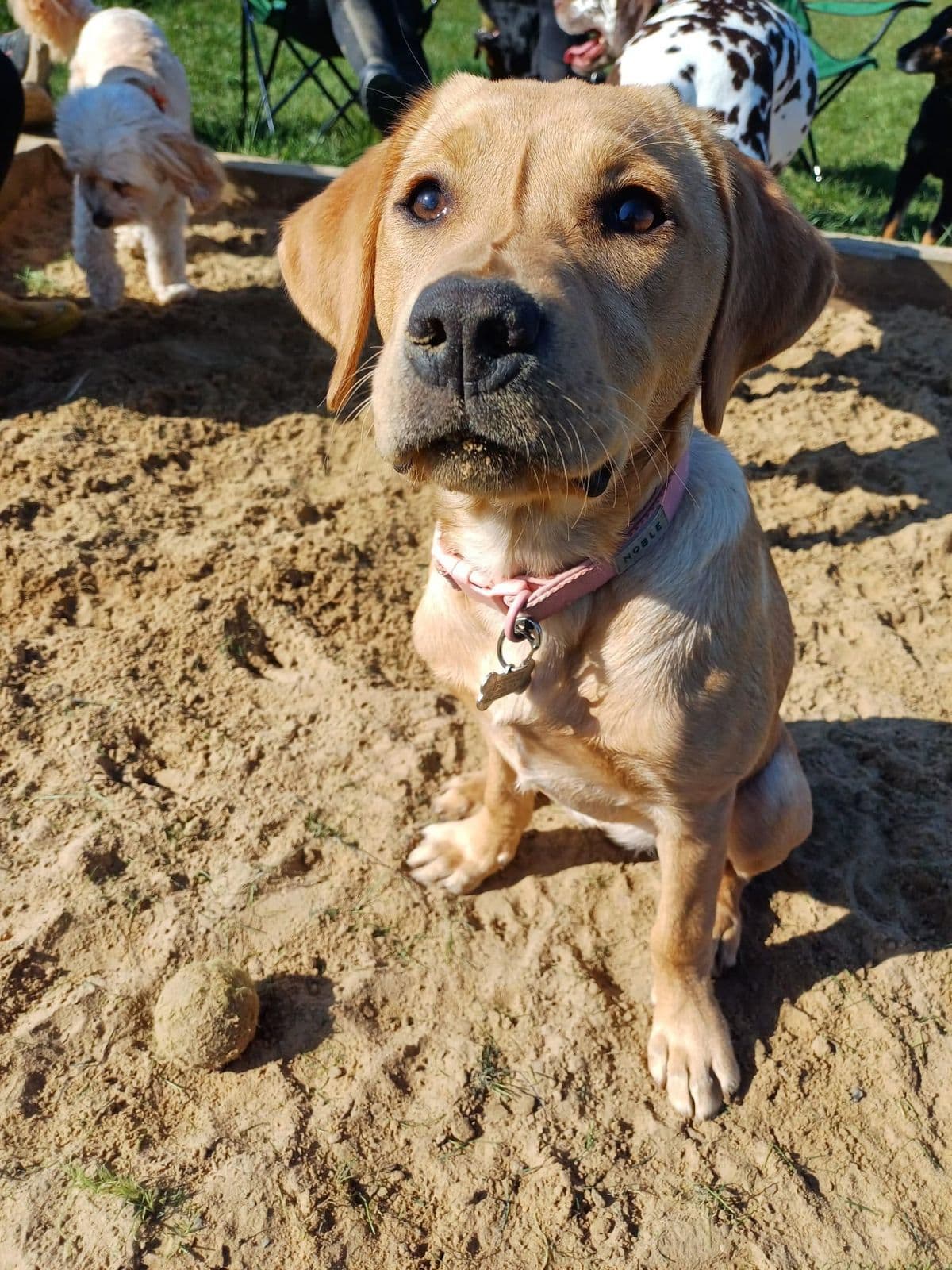
This isn't about being overly cautious. Most dogs can enjoy summer perfectly safely with some simple adjustments. But the consequences of getting it wrong are severe and fast-moving. Heatstroke can become life-threatening within minutes. Taking the time to understand the risks and plan accordingly means you and your dog can enjoy summer without worry.
Temperature limits: when is it too hot?
The general guidance from veterinary professionals is: Even on rainy days.
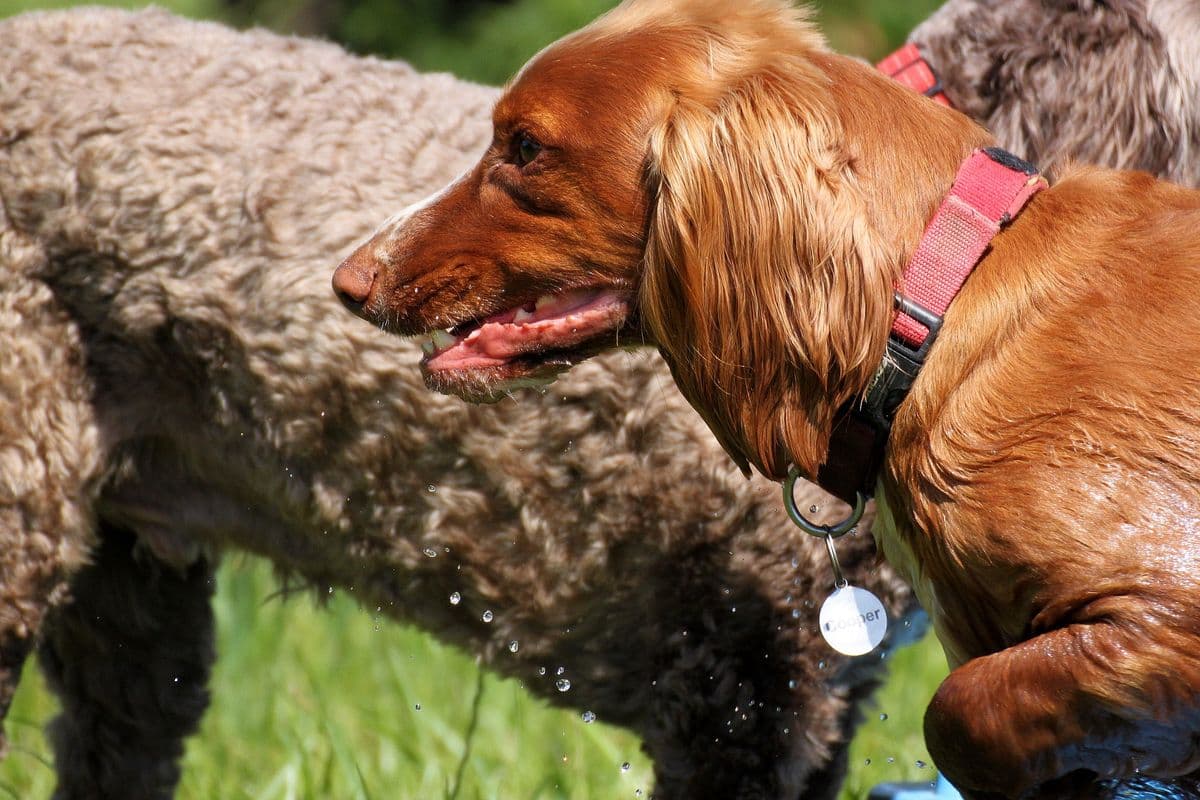
We know a local walker who carries a separate lead and harness for every dog. Sounds excessive, but it means every dog walks comfortably.
- Below 19°C: safe for all dogs
- 20°C to 23°C: safe for most dogs; caution for brachycephalic breeds, very large breeds, and dogs with thick coats
- 24°C to 27°C: exercise caution; shorter walks, shade, and water essential; avoid midday sun
- 28°C to 31°C: high risk; early morning or late evening walks only, and keep them short
- Above 32°C: avoid walking altogether; garden toilet breaks only
These are air temperatures. We've had customers tell us that ground temperature is often significantly higher. Tarmac and paving in direct sun can reach 50°C or more when the air temperature is only 25°C. That's hot enough to cause burns within seconds.
The pavement test
Before every summer walk, place the back of your hand flat on the pavement and hold it there for 7 seconds. If it's too hot for your hand, it's too hot for your dog's paws. This simple test takes seconds and could save your dog from painful burns and blistering on their paw pads.
Our guide to how much exercise your dog needs covers some related ground.
If the pavement is too hot, walk on grass instead, stick to shaded paths, or postpone the walk to a cooler time of day. Our dog fields are grass-surfaced, making them a much safer option than pavement walks during hot weather.
Best times to walk in summer
During hot spells, the safest times to walk your dog are:
There's more on this in our guide to adventure walks vs regular walks.
- Early morning (before 8am). The coolest part of the day; ground hasn't absorbed heat yet
- Late evening (after 7pm): air temperature has dropped; but check pavement temperature as it retains heat
The hottest period is typically between 11am and 4pm. Avoid exercising your dog during these hours entirely on hot days. Even a fit, healthy dog can overheat rapidly in direct midday sun. If you work during the day and rely on a dog walker, make sure they adjust their schedule during heat waves. But a responsible walker will postpone or cancel walks when it's too hot, even if it inconveniences their schedule.
Signs of heatstroke
Heatstroke is a medical emergency. Know the signs so you can act immediately:
Early signs
- Heavy, rapid panting
- Excessive drooling, often thick or sticky saliva
- Bright red tongue and gums
- Restlessness or agitation
- Increased heart rate
Advanced signs
- Vomiting or diarrhoea
- Glazed eyes
- Unsteadiness, staggering, or disorientation
- Dark red or purple gums
- Collapse
- Seizures
What to do
Move your dog to a cool, shaded area immediately. Offer small amounts of cool (not ice-cold) water. Pour cool water over their body, focusing on the neck, armpits, and groin where blood vessels are close to the surface. Place wet towels on these areas but keep replacing them, a towel left in place traps heat. Fan your dog if possible. Call your vet immediately, even if your dog seems to recover. Internal damage from heatstroke can be delayed and requires veterinary assessment.
Never use ice or ice-cold water. This causes blood vessels to constrict, which actually traps heat inside the body and makes the situation worse. Cool water and airflow are far more effective.
Water safety
Many dogs love swimming, and water is a fantastic way to exercise and cool down in summer. But water carries its own risks that every owner should be aware of:
Blue-green algae
Blue-green algae (cyanobacteria) blooms in warm, still freshwater, ponds, lakes, reservoirs, and slow-moving rivers. And it can appear as a green or blue-green scum on the water surface, or the water may look thick and soupy. Blue-green algae produces toxins that can be fatal to dogs within hours of exposure. There is no antidote.
If you see any sign of algae bloom, keep your dog completely out of the water. It adds up. Don't let them drink from it, paddle in it, or even walk through it. If your dog has been in contact with blue-green algae, rinse them immediately with clean water and contact your vet as an emergency. Not always easy.
Currents and tides
Rivers and coastal areas can have strong currents that tire dogs quickly (yes, really). Even strong swimmers can get into trouble. Always supervise water access, and if you're not sure about conditions, keep your dog out. A secure dog field with a paddling option is a much safer alternative for water-loving dogs.
Water quality
Stagnant water, farm runoff, and urban waterways can contain bacteria that cause gastrointestinal illness. Leptospirosis, spread through contaminated water, is a serious disease that can be fatal. Make sure your dog's vaccinations are up to date and carry clean water for them to drink rather than letting them drink from unknown water sources.
Tick awareness
Ticks are most active from spring through autumn, and summer walks through long grass, woodland, and heathland bring increased exposure. Watch closely. Ticks can transmit Lyme disease and other serious infections to both dogs and humans.
- Check your dog for ticks after every walk, especially around the head, ears, neck, chest, and between the toes
- Use a tick-removal tool (available from any pet shop or vet) to remove ticks safely: don't squeeze, twist roughly, or burn them
- Talk to your vet about preventive treatments. There are effective spot-on treatments, tablets, and collars available
- Keep grass in your garden short to reduce tick habitat
Cooling techniques
On hot days, help your dog stay cool with these practical techniques:
- Cooling mats: gel-filled mats that stay cool without refrigeration; ideal for lying on after walks
- Frozen treats: freeze dog-safe broth, peanut butter, or fruit in a Kong or ice cube tray
- Paddling pools. A cheap plastic pool in the garden provides hours of cooling entertainment
- Wet towels: drape a damp (not cold) towel over your dog or lay one for them to lie on
- Shade and airflow: ensure your dog always has access to shade and a breeze
- Cool water access: fresh, cool water available at all times, topped up regularly
After a walk, allow your dog to cool down gradually. Less is more. Avoid going straight from intense heat into an air-conditioned room, as the rapid temperature change can cause problems. Let them settle in a shaded, ventilated area with access to water.
Grass seeds: the hidden summer hazard
From late spring through summer, grass seeds become a serious and often overlooked hazard for dogs. These tiny, barbed seeds. Particularly from meadow grasses, can burrow into your dog's skin, ears, eyes, and between the toes. They travel in one direction only (inward), meaning they can work their way deep into tissue, causing abscesses, infection, and in extreme cases requiring surgical removal.
After every summer walk through long grass, check your dog thoroughly. Keep it simple. In our experience working with hundreds of dogs across Essex, run your fingers between every toe, look inside the ears, check the armpits and groin, and examine the eyes. If your dog is suddenly shaking their head, licking obsessively at one paw, or has a small swollen lump that appeared after a walk, a grass seed may be the cause. See your vet promptly. The sooner a grass seed is removed, the less damage it causes. Long-haired breeds are especially vulnerable, and keeping the fur between the toes trimmed short during summer significantly reduces the risk.
Dogs at higher risk
Some dogs are significantly more vulnerable to heat than others:
- Brachycephalic breeds: Pugs, Bulldogs, French Bulldogs, Boxers, Shih Tzus, their shortened airways make cooling through panting much less efficient
- Thick-coated breeds: Huskies, Malamutes, Bernese Mountain Dogs. Their insulating coats trap heat
- Overweight dogs: excess fat acts as insulation and puts extra strain on the cardiovascular system
- Very young and very old dogs: less efficient temperature regulation
- Dogs with heart or respiratory conditions: reduced ability to cool themselves
- Dark-coated dogs: absorb more heat from direct sunlight
Key takeaways
- Do the pavement test: if it's too hot for your hand, it's too hot for paws
- Walk early and late: avoid midday heat entirely on hot days
- Know the signs of heatstroke: heavy panting, drooling, red gums, unsteadiness
- Cool with cool water, not ice: ice constricts blood vessels and traps heat
- Avoid blue-green algae: it's fatal and there's no antidote
- Check for ticks: after every walk through grass or woodland
- Never leave your dog in a car: even for a few minutes, even with windows open
Summer should be enjoyable for you and your dog. With a few simple precautions, it absolutely can be. If you need help keeping your dog exercised safely during hot weather, our dog walkers adjust their schedules and routes for the heat, and day care provides a temperature-controlled environment with supervised outdoor time. Get in touch and we'll help you plan a safe, happy summer for your dog.
Written by the Wagtails team: qualified dog professionals based in Rettendon, Essex. We run 5-star licensed day care and three private dog parks, and we work with a network of trusted trainers, walkers, and groomers across the county.