Taking your dog on the road
Whether you are heading to the coast for the weekend, driving to a holiday cottage, or just navigating the daily school run with a dog in the back, travelling with your dog is something most owners do regularly. Yet many of us wing it without thinking about safety, comfort, or the law. Done well, car journeys and holidays with your dog can be brilliant. Done badly, they are stressful, dangerous, and exhausting for everyone.
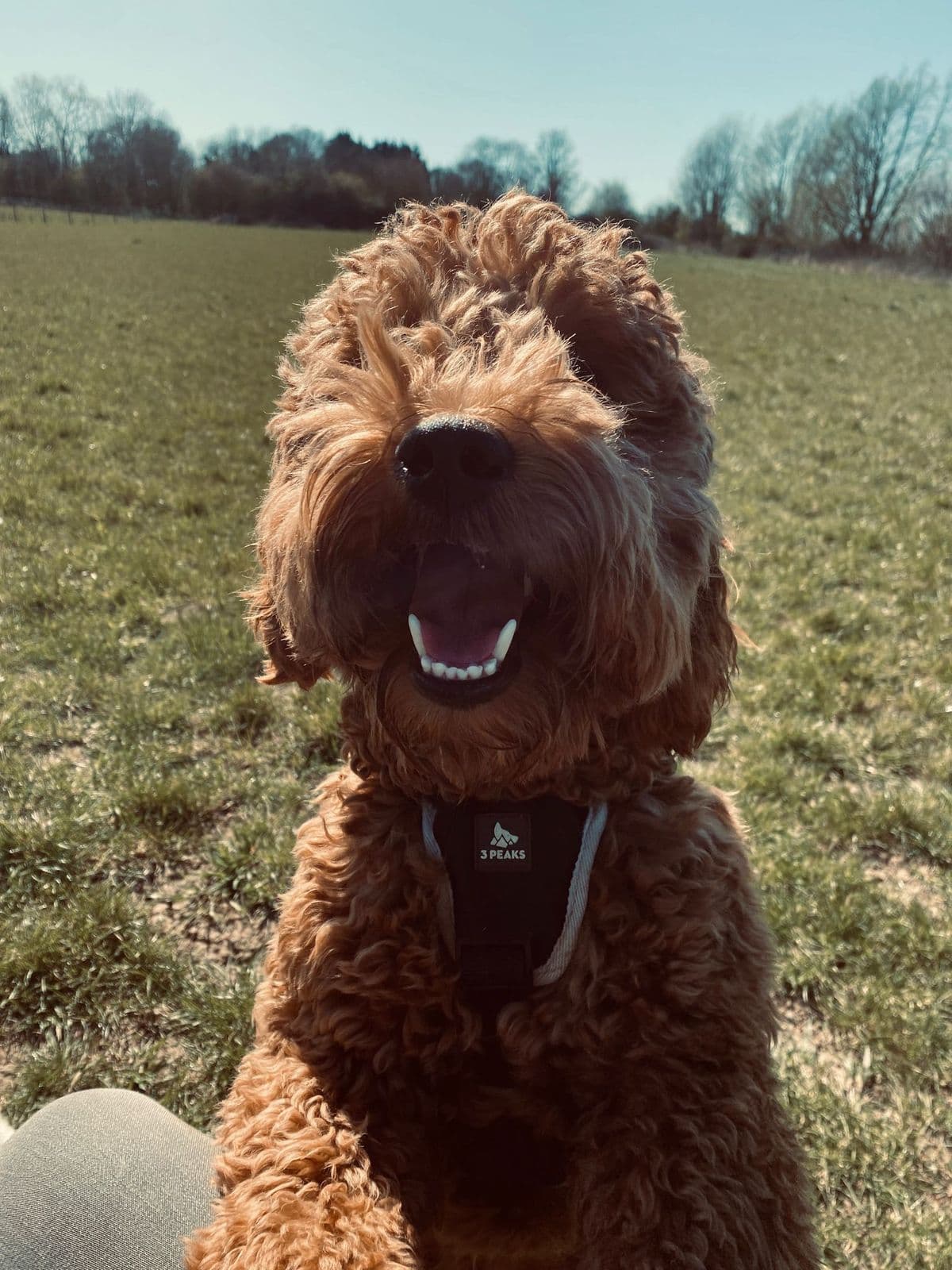
This guide covers everything from car safety and building up to long journeys, to pet-friendly accommodation and what to do about motion sickness. Whether your dog is a seasoned traveller or a nervous first-timer, there is something here for you.
Car safety: the law and the options
In the UK, the Highway Code (Rule 57) states that dogs must be suitably restrained in a vehicle so they cannot distract the driver or injure anyone in an accident. An unrestrained dog in a car is both illegal and dangerous. In a 30mph crash, an unrestrained dog becomes a projectile. A 25kg dog would hit with the force of a small piano. It is not something any of us want to think about, but it matters.
One of our regulars moved house last year and said the tips we shared about travelling made the whole thing smoother for their anxious Spaniel, as it was a long way to their new home!.
Crate
A crash-tested crate in the boot is the safest option for most dogs. It contains the dog securely, protects them in a collision, and gives nervous dogs a den-like space that reduces anxiety. Make sure the crate is secured to the car (strapped down or wedged so it cannot slide) and is the right size. Your dog should be able to stand, turn, and lie down comfortably.
Harness
A crash-tested car harness attaches to the seatbelt and keeps your dog secure on the back seat. Look for harnesses that have been independently crash-tested (the CPS certification or Centre for Pet Safety). Many harnesses marketed as car harnesses have never been tested and would fail in a real collision.
Boot guard or barrier
A boot guard or barrier keeps your dog in the boot area but does not restrain them in a crash. It is better than nothing and prevents your dog from climbing into the front, but it offers much less protection than a crate or harness. If you use a guard, combine it with a non-slip boot liner to prevent your dog sliding around.
What to avoid
- Never let your dog ride on your lap, in the footwell, or unrestrained on a seat
- Never let your dog hang their head out of the window. Debris, insects, and injury risk are real
- Never leave your dog alone in a parked car, even with windows cracked. Temperatures inside a car rise dangerously fast, even on mild days
Building up to long journeys
If your dog is not used to car travel, do not start with a four-hour motorway drive. Build up gradually.
We've written separately about moving house with a dog if you want to read more.
Stage 1: Sitting in the car
Start by letting your dog sit in the stationary car with the engine off. Small steps. Give treats, offer a chew, and keep it positive. Do this for a few days until your dog hops in happily.
Stage 2: Short drives
Take short drives. Five minutes to a fun destination (a park, a friend's house, a dog field). The destination matters. If every car journey ends at the vet, your dog will associate the car with stress. Make the majority of trips end somewhere enjoyable.
Stage 3: Gradually increase distance
Build up from five minutes to fifteen, then thirty, then an hour. Watch for signs of stress or motion sickness and stop before your dog becomes distressed. Positive associations at every stage are more important than speed.
Motion sickness
Motion sickness is common in puppies and some adult dogs. Signs include excessive drooling, yawning, whining, lip-licking, vomiting, and general restlessness. Most puppies grow out of it, but some dogs continue to suffer throughout their lives.
There's more on this in our guide to the new puppy checklist.
Tips to reduce motion sickness
- Do not feed your dog for at least two hours before a car journey
- Keep the car cool with good ventilation, crack a window or use air conditioning
- Drive smoothly: avoid sudden braking, sharp turns, and fast acceleration
- Use a crate or harness that faces forward. Looking out of the side windows can make sickness worse
- Take frequent breaks on long journeys
- Ginger biscuits (plain, not chocolate) can help settle some dogs' stomachs.
If motion sickness is severe, speak to your vet. We've seen this firsthand across our day care, parks, and grooming network, and we've had customers tell us that there are prescription medications that can help, and some dogs benefit from natural calming supplements before travel.
Service stop planning
On long journeys, plan your stops in advance. Your dog needs a break at least every two hours for water, a toilet stop, and a stretch of the legs. Not all service stations are equally dog-friendly.
What to look for
- A grassed area away from the car park where your dog can toilet and stretch
- Water available (or bring your own)
- Away from heavy traffic, some services are large car parks with no safe dog space
Motorway services vary enormously. The larger ones (Welcome Break, Moto, Roadchef) usually have grassed areas. Smaller service stations may have nothing suitable. Plan your route and identify dog-friendly stops before you set off. There are several apps and websites that list dog-friendly service stations and rest stops across the UK.
Pet-friendly accommodation
The UK has a growing number of genuinely dog-friendly places to stay, from cottages and hotels to glamping sites and holiday parks. The quality of "dog-friendly" varies enormously though. Some places love dogs, and some merely tolerate them with a long list of restrictions and a hefty cleaning fee.
What to check before booking
- Dog charges: Most places charge per dog per night, typically between five and fifteen pounds
- Number of dogs: Many places limit to one or two dogs. If you have more, check before booking
- Restrictions: Can dogs go upstairs? On furniture? In all rooms? Some places restrict dogs to the ground floor or specific areas
- Grounds: Is the garden enclosed? Is there a safe off-lead space? What are the nearest walking routes?
- Other guests: Some cottages and B&Bs have resident dogs or cats. Check if this is an issue for your dog
Where to look
Canine Cottages, Dog Friendly Cottages, and Sykes Cottages have extensive dog-friendly listings with genuine reviews from dog owners. Booking.com and Airbnb have pet-friendly filters but the quality of information is less reliable. Always contact the host directly to confirm.
What to pack for your dog
- Food and treats (enough for the trip plus a spare day)
- Water and a portable bowl
- Lead, harness, and collar with up-to-date ID tag
- Poo bags
- Their bed or a familiar blanket
- A towel for drying off after walks
- Any medication
- A favourite toy
- A Kong or chew for settling time
- Vaccination records (some places ask for proof)
- A recent photo on your phone (in case they get lost)
- A cool mat and fan if the day is hot
Boarding as an alternative
Not every holiday suits every dog. If you are travelling abroad, staying somewhere that does not accept dogs, or if your dog finds travel genuinely distressing, boarding may be the better option. Quality dog boarding provides a safe, comfortable environment with experienced carers while you are away.
A dog sitting service is another option. Your dog stays in their own home with an experienced caregiver, so that they can stay as comfortable as possible in their normal routine. Both options give you peace of mind knowing they're safe that your dog is well cared for while you enjoy your trip.
Pet passports and travelling abroad
Since Brexit, the old EU Pet Passport is no longer valid for UK pets. To take your dog to the EU, you now need an Animal Health Certificate (AHC) issued by your vet no more than ten days before travel. You will also need a valid rabies vaccination (given at least 21 days before travel) and a tapeworm treatment administered one to five days before returning to the UK.
The process takes planning, you cannot decide on Friday to take your dog to France on Saturday. Book an AHC appointment with your vet well in advance, especially during busy holiday periods. The certificate is valid for a single trip and four months of onward travel within the EU.
Some ferry and tunnel operators have additional requirements. Check with your carrier before booking. Dogs must remain in vehicles on most ferry crossings, though some operators allow access to pet-friendly deck areas.
Key takeaways
- Dogs must be restrained in vehicles. Crates and crash-tested harnesses are the safest options
- Build up to long journeys gradually with positive associations at each stage
- Plan service stops every two hours with suitable grassed areas for your dog
- Check accommodation is genuinely dog-friendly before booking, ask specific questions
- Pack everything your dog needs, including familiar bedding and a recent photo of your dog in case they get lost.
- If your dog finds travel stressful, boarding or dog sitting may be the kinder option
- Travelling to the EU requires an Animal Health Certificate: plan well in advance
Need help while you are away?
Whether you need boarding, sitting, or just your dog's regular day care routine maintained while you sort a trip, we have got you covered. Our network of trusted professionals across Essex means your dog is in safe hands, however you are travelling. Get in touch to arrange care for your dog.