Last reviewed: May 2026
More than just a run around
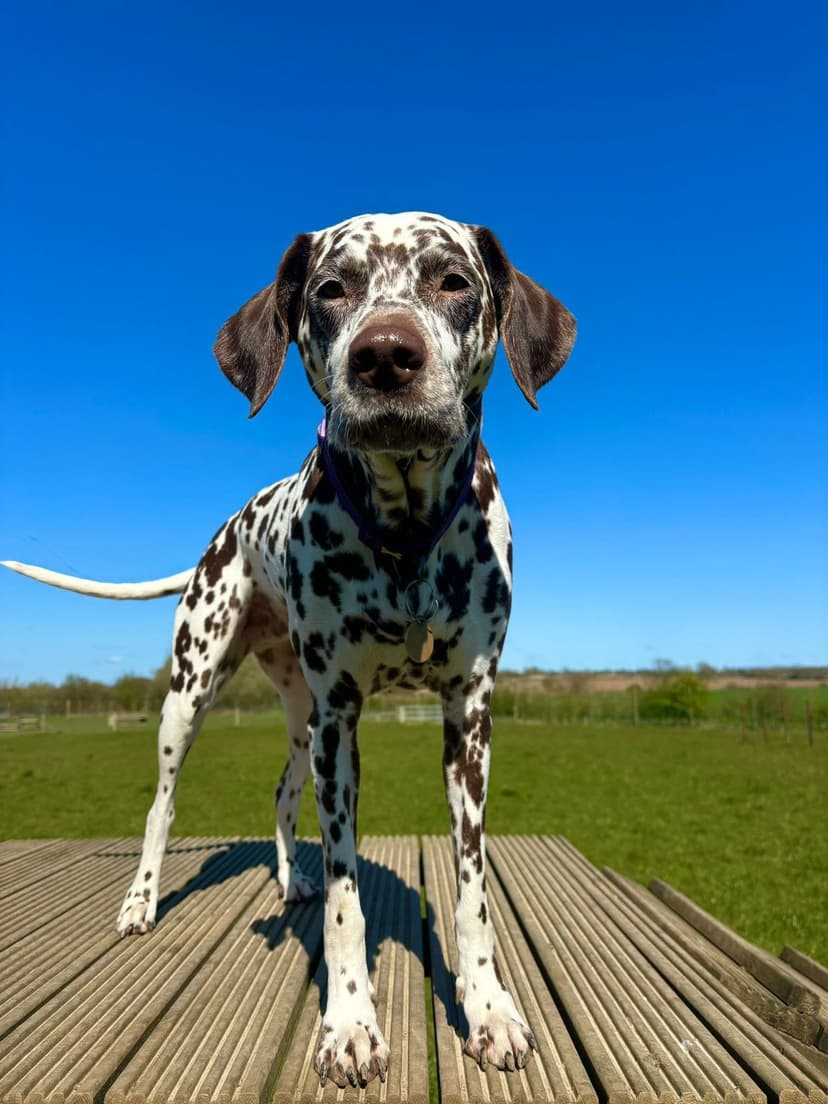
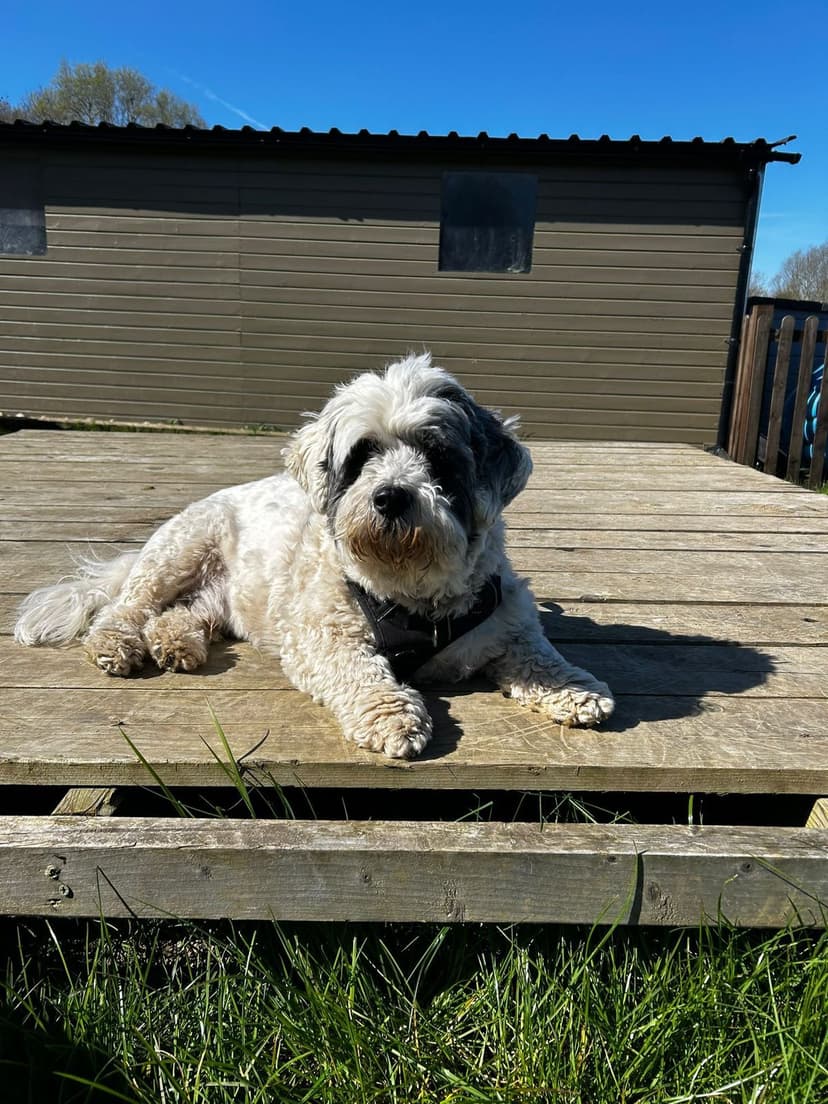
When people think about off-lead time, they usually picture a dog tearing around a field at full speed. And yes, that is part of it. But off-lead exercise is about so much more than physical movement. And it gives your dog the freedom to make their own choices, explore at their own pace, sniff what they want to sniff, and move their body in the way nature intended. That freedom has profound effects on their physical health, mental wellbeing, and overall behaviour.
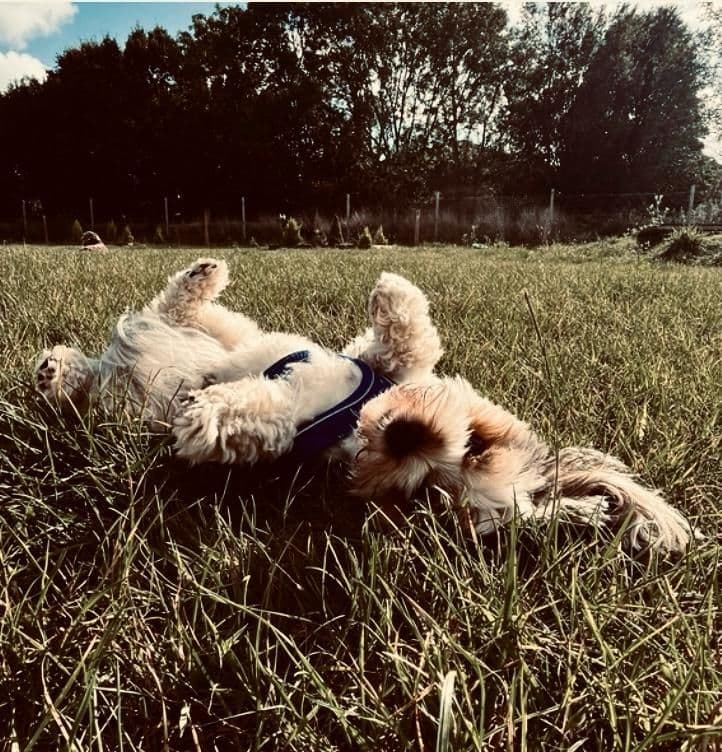
Most dogs spend the majority of their lives on a lead, walking at human pace, following human routes, with human timing. Off-lead time flips the script. But it is your dog's time to be a dog, and every dog needs that, regardless of breed, age, or size.
The physical benefits of off-lead exercise
On-lead walking is valuable, but it is limited. And dogs on a lead typically walk at a steady, moderate pace, which provides a baseline level of exercise but does not challenge their cardiovascular system, build real muscle strength, or allow the variety of movement their bodies are designed for.
One of our regulars moved house last year and said the tips we shared made the whole thing smoother for their anxious Spaniel.
Off lead, dogs naturally vary their pace. They sprint, stop, change direction, jump, weave, and use their whole body in ways that are simply impossible on a two-metre lead. This variety of movement is essential for:
Cardiovascular fitness
Short bursts of high-intensity running interspersed with rest periods (what dogs naturally do off lead) is the canine equivalent of interval training. It builds heart and lung capacity far more effectively than a steady plod along the pavement.
Muscle development and joint health
The varied terrain and unpredictable movements of off-lead play engage muscle groups that on-lead walking barely touches. Changes of direction strengthen core muscles. Running on uneven ground develops proprioception (the body's sense of where it is in space), which helps prevent injuries. For puppies and young dogs, this kind of varied exercise supports healthy joint development. For older dogs, it helps maintain the muscle mass that protects ageing joints.
Weight management
Obesity is one of the biggest health issues facing pet dogs in the UK, and insufficient exercise is a major contributing factor. A thirty-minute off-lead session where your dog is actively moving burns significantly more calories than a thirty-minute on-lead walk. For dogs that need to lose weight, regular off-lead exercise combined with appropriate diet management is one of the most effective approaches.
Natural movement patterns
Dogs are built to trot, canter, gallop, turn, jump, and navigate varied terrain. On a lead, they can only walk or trot in a straight line. Over time, the lack of natural movement can contribute to stiffness, muscle imbalances, and reduced range of motion. Off-lead time keeps their bodies supple and functioning as they should.
The mental benefits
Physical exercise is important, but for many dogs, the mental benefits of off-lead time are even more significant. A physically tired dog is not necessarily a content dog. A mentally fulfilled dog, however, is usually both calm and happy.
Sniffing and scent processing
Dogs experience the world primarily through their noses. A dog's sense of smell is between 10,000 and 100,000 times more sensitive than ours. When your dog is off lead and free to sniff, they are processing an extraordinary amount of information about their environment: who has been there, when they passed, what they ate, whether they were stressed or relaxed.
This scent processing is genuinely tiring for their brains, in the best possible way. Timing matters. Our customers often ask about this, and twenty minutes of free sniffing in a field can be as mentally satisfying as an hour of on-lead walking. Dogs that are regularly denied the opportunity to sniff freely often develop frustration-based behaviours.
Choice and autonomy
On a lead, your dog has almost no control over where they go, how fast they move, or what they investigate. It works. Off lead, they get to make choices. They decide which direction to explore, which scent to follow, when to run and when to rest. This sense of autonomy is important for emotional wellbeing. Dogs that have regular opportunities to make choices tend to be calmer, more confident, and less reactive than those whose every movement is controlled. Especially in winter.
Problem-solving and exploration
Navigating an open environment involves constant decision-making. Where is that interesting smell coming from? How do I get over that log? What is that noise? This kind of natural problem-solving keeps the brain active and engaged without causing stress. It is enrichment in its purest form.
Confidence and recall
Dogs that regularly spend time off lead in safe environments tend to develop better recall and more confidence than dogs that are rarely or never let off. It works. This seems counterintuitive to some owners, who worry that letting their dog off lead will result in them running away. In practice, the opposite is usually true.
When your dog has regular off-lead time, the novelty of being free wears off. They learn that off-lead time is normal, not a rare and exciting event that must be exploited to the full. They check in with you naturally because they are relaxed, not because they are desperate to explore before the lead goes back on.
This does not happen overnight, and it requires consistent recall training. But the combination of good training and regular off-lead practice in safe environments creates a dog that is genuinely reliable when given freedom.
Which dogs benefit most?
The honest answer is all of them. But some dogs have an especially strong need for off-lead time:
- High-energy breeds: working breeds like Spaniels, Collies, Retrievers, and Pointers were bred to cover ground. On-lead walking alone rarely meets their exercise needs.
- Young dogs and adolescents: dogs between 6 months and 2 years have enormous energy reserves. Regular off-lead exercise helps channel that energy positively and reduces destructive behaviour at home.
- Reactive or anxious dogs. This might surprise you, but dogs that are reactive on lead are often calmer off lead. The lead itself creates frustration and tension. In a safe, enclosed space, many reactive dogs are noticeably more relaxed.
- Senior dogs: older dogs may not run as fast or as far, but they still benefit hugely from the mental stimulation of free sniffing and the freedom to move at their own pace.
- Dogs with behavioural issues: many common behaviour problems, including excessive barking, destructive chewing, and restlessness, are rooted in insufficient mental and physical exercise. Regular off-lead time often reduces these issues significantly.
Safety first: public parks versus secure fields
Off-lead time is only beneficial if it is safe. That matters. And this is where the choice of environment matters enormously.
Public parks
Public parks are free and accessible, which makes them the default choice for many owners. But they come with significant drawbacks for off-lead exercise:
- You cannot control which other dogs are present or how they behave
- Not all areas are securely fenced
- Risks from litter, broken glass, and discarded food
- Potential conflict with other park users (joggers, cyclists, children)
- Some parks have seasonal or permanent on-lead requirements
For dogs with reliable recall who are good with other dogs and people, public parks can work well. For dogs that are still building their recall, dogs that are nervous or reactive, or dogs that you simply want to exercise without worrying about unpredictable encounters, public parks are not ideal.
Secure dog fields
Secure dog fields are privately rented, fully enclosed spaces where you can exercise your dog off lead without other dogs or people being present (unless you bring them). We've seen this firsthand across our day care, parks, and grooming network, and they offer:
- Complete security, with high fencing and double-gated entry
- A private space where your dog can run, sniff, and play without interruption
- A safe environment for recall training, where mistakes have no consequences
- Without the worry for owners of reactive, nervous, or young dogs
- Clean, maintained ground with no hazards
For dogs that cannot safely be let off lead in public, secure fields are transformative. They provide all the benefits of off-lead exercise with none of the risks. Many owners find that regular sessions in a secure field actually improve their dog's behaviour in public too, because the dog's needs for freedom and exercise are being met.

How to build up to off-lead time
If your dog has never been off lead, or if their recall is unreliable, jumping straight to an open park is not the answer. Here is a gradual approach:
Step 1: Start in the house and garden
Practice recall at home where there are minimal distractions. Use a happy, excited tone and high-value treats. Make coming to you the best thing that happens all day.
Step 2: Use a long line
A 10 or 15-metre training line gives your dog more freedom while keeping you connected. Practice recall, check-ins, and direction changes on the long line in quiet spaces.
Step 3: Book a secure field
A secure dog park or field is the perfect environment to test your recall training. If your dog ignores you, they are still safe. You can practice without pressure, build confidence, and identify what distractions your dog finds most challenging.
Step 4: Graduate to quiet public spaces
Once your recall is solid in a secure field, try quiet public spaces during off-peak times. Start with areas that are relatively enclosed, like a fenced playing field or a quiet section of woodland. Keep sessions short and end on a success.
Step 5: Continue practicing
Recall is a skill that needs maintenance. Even dogs with excellent recall need regular practice and reinforcement. Never take it for granted, and always reward your dog for coming back, even if it took them longer than you would have liked.
Key takeaways
- Off-lead exercise provides physical benefits that on-lead walking cannot match
- The mental stimulation of free sniffing and exploration is just as important as the physical exercise
- Regular off-lead time builds confidence and actually improves recall
- Every dog benefits, from high-energy puppies to elderly seniors
- Secure dog fields offer all the benefits of off-lead time without the risks of public parks
- Build up gradually: house, garden, long line, secure field, quiet public spaces
Give your dog the freedom they deserve
At Wagtails, we run secure, privately bookable dog fields across Essex where your dog can run, play, and sniff to their heart's content in complete safety. Whether you have a puppy learning recall, a reactive dog that needs space, or an energetic dog that just needs to stretch their legs, our fields are there for you. Not overnight, though.
If you are looking for more structured off-lead exercise with other dogs, our dog parks offer supervised sessions in a secure, managed environment. Start slow. And if recall is something you are working on, check out our recommended dog training professionals for expert guidance.
Written by the Wagtails team: qualified dog professionals based in Rettendon, Essex. We run 5-star licensed day care and three private dog parks, and we work with a network of trusted trainers, walkers, and groomers across the county.