Last reviewed: May 2026
Why grooming matters more than most owners realise
Grooming is not just about making your dog look nice (it's more common than you think). Regular professional grooming is a fundamental part of your dog's health and welfare. But it prevents matting, which can cause pain and skin infections. It allows a trained eye to spot lumps, bumps, skin conditions, and parasites that you might miss at home. It keeps ears clean and free of infection. It maintains nail length, preventing joint problems caused by overgrown nails that alter your dog's gait. And for many breeds, it is essential for temperature regulation and coat health.
But finding the right groomer can feel overwhelming. Search for "dog grooming near me" in Essex and you will find dozens of options, from one-person operations working from a garden shed to large commercial salons. And the quality varies enormously, and because grooming involves sharp tools, restraint, and a certain level of stress for many dogs, the consequences of choosing badly can be serious.
This guide will help you understand what to look for, what to avoid, and how to prepare your dog for the best possible grooming experience.
What a full professional groom includes
A proper full groom is much more than a bath and a trim. Understanding what should be included helps you spot groomers who cut corners and justify the cost of a quality service.
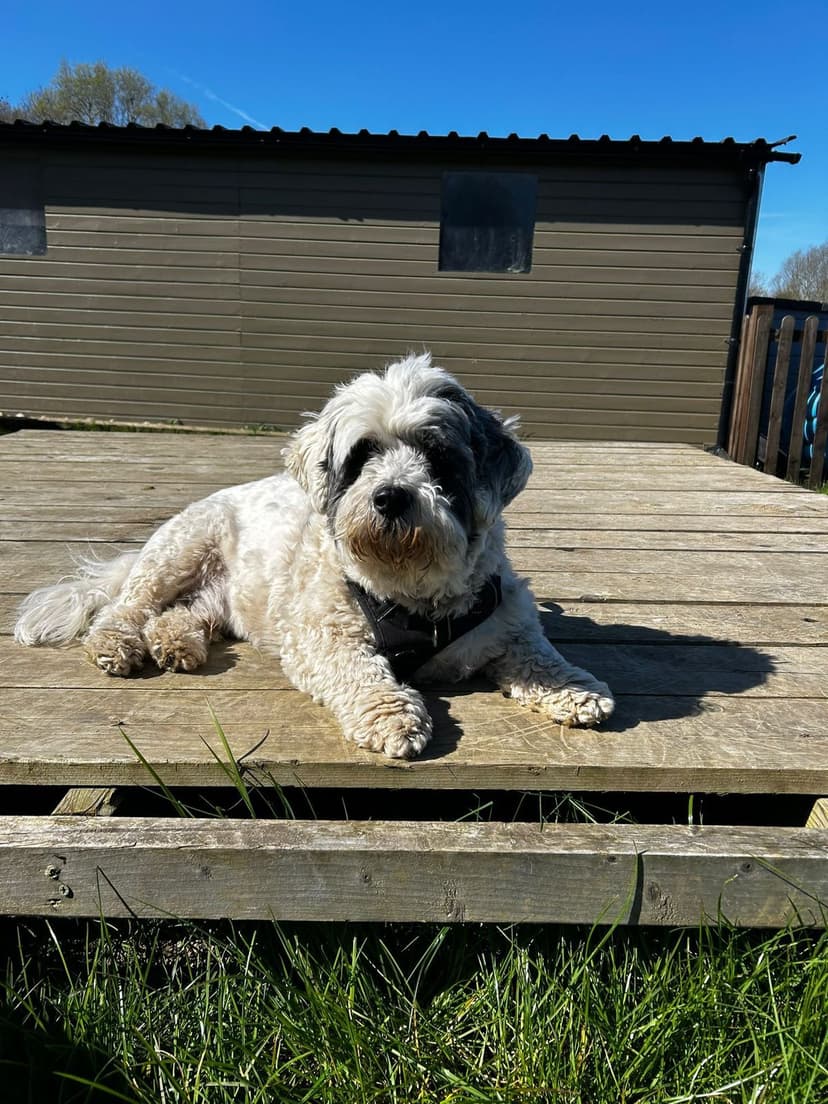
A groomer in our directory worked with a nervous rescue Poodle cross for four sessions before she'd even let the dryer come out. Routine helps. That patience is everything.
The standard full groom process
- Health check: A good groomer starts by running their hands over your dog, checking for lumps, skin irritation, matting, parasites, and any areas of sensitivity. They should tell you about anything they find.
- Brush and de-mat: Before the bath, the coat is thoroughly brushed to remove loose hair and work through any tangles or mats. Bathing a matted coat makes the matting worse, so this step is essential.
- Bath: Using a dog-specific shampoo suited to your dog's coat type and skin condition. A good groomer will have several different shampoos for different needs. The bath should be warm, not hot, and the dog should be handled gently throughout.
- Blow dry: Professional high-velocity dryers are used to dry the coat thoroughly. This is important because damp undercoat left to air dry can develop a musty smell and encourage bacterial growth. The dryer also helps to straighten the coat and remove more loose hair.
- Clip or scissor cut: The coat is trimmed to the breed standard or your preferred style. This requires genuine skill and experience, particularly with hand-scissoring breeds like Bichons, Poodles, and Cockapoos.
- Ear cleaning: The ears are checked and cleaned, and any excess hair inside the ear canal is carefully removed. This is particularly important for breeds prone to ear infections, such as Spaniels and Poodles.
- Nail trimming: Nails are clipped to an appropriate length. This needs to be done carefully to avoid cutting the quick, the blood vessel inside the nail.
- Sanitary trim: The area around the tail and genitals is trimmed for hygiene.
- Finishing touches: A final brush through, any last adjustments to the trim, and often a spritz of dog-safe cologne and a bandana.
Grooming frequency by breed and coat type
How often your dog needs professional grooming depends primarily on their coat type. Here is a guide to the main coat types and recommended grooming schedules:
There's more on this in our guide to brushing your dog at home.
Short and smooth coats (Labradors, Staffies, Beagles)
These breeds have low-maintenance coats that do not need clipping. At Wagtails, grooming referrals are one of our most popular requests, and however, they still benefit from professional grooming every 8 to 12 weeks. And a bath, de-shed treatment, nail trim, and ear clean keeps them comfortable and allows the groomer to check their skin and overall condition. Labradors in particular shed heavily and a professional de-shed can make a dramatic difference to the amount of hair on your furniture. Even on rainy days.
Double coats (German Shepherds, Huskies, Golden Retrievers)
Double-coated breeds have a soft, dense undercoat beneath a coarser outer coat. They should never be shaved, as the undercoat provides insulation in both hot and cold weather and shaving can permanently damage the coat texture. Professional grooming every 6 to 8 weeks focuses on thorough de-shedding, undercoat removal, bathing, and trimming the feathering on legs, tail, and ears.
Curly and wool coats (Poodles, Bichon Frises, Cockapoos, Labradoodles)
These coats grow continuously and do not shed in the traditional sense, but they mat very easily. Start slow. Professional grooming every 4 to 6 weeks is essential, and many owners find that 6 weeks is pushing it during winter when coats get wet and muddy more often. Regular brushing at home between grooms is non-negotiable for these breeds.
Wire and rough coats (Border Terriers, Wire Fox Terriers, Schnauzers)
Wire-coated breeds can be clipped, but hand-stripping preserves the correct coat texture and colour. That matters. Hand-stripping is a specialist skill where dead hair is pulled from the coat by hand or with a stripping knife. Not all groomers offer it, so if you have a wire-coated breed and want to maintain the proper coat, seek out a groomer who specialises in this technique. Grooming every 6 to 8 weeks is typical.
Long and silky coats (Yorkshire Terriers, Shih Tzus, Maltese)
These coats tangle easily and need careful, regular attention. Professional grooming every 4 to 6 weeks with daily brushing at home keeps the coat in good condition. Many owners opt for a shorter "puppy cut" to reduce maintenance, which is perfectly fine and much more practical for an active pet.
Red flags to watch for
Not every groomer is a good groomer. Here are the warning signs that should make you look elsewhere:
We've written separately about a puppy's first groom if you want to read more.
- No qualifications or unwillingness to discuss training: While grooming is not a regulated profession in the UK, reputable groomers will have completed recognised training courses (City and Guilds, iPET Network, or similar) and be happy to tell you about their background.
- Refusal to let you see the grooming area: A groomer who will not show you where your dog will be worked on may have something to hide. Cleanliness, ventilation, and the general setup should all be open to inspection.
- Cage dryers left unattended: Cage dryers can be useful when properly monitored, but a dog left unattended in a cage dryer is at risk of overheating. Ask about their drying process.
- Rushing: A full groom takes time. For a medium-sized dog with a moderately long coat, expect 1.5 to 2 hours. If a groomer is churning through dogs in 45 minutes, corners are being cut.
- Heavy-handed restraint: Some restraint is normal during grooming for safety, but it should be gentle and the dog should not be visibly distressed. Groomers who use force, shout at dogs, or use intimidation have no place in the profession.
- No discussion of your dog's needs: A good groomer asks about your dog's temperament, any health issues, what style you want, and any previous grooming experiences. If they just take your dog and start without talking to you, that is a concern.
- Consistently returning dogs with nicks, cuts, or razor burn: Occasional small nicks can happen, and a good groomer will tell you honestly. But if it happens repeatedly, the groomer lacks skill or care.
Preparing a nervous dog for grooming
Many dogs find grooming stressful, especially if they have had a bad experience in the past or were not introduced to grooming as a puppy. Here is how to help:
Start at home
Get your dog comfortable with being handled. Touch their paws, ears, tail, and face regularly. Use treats and praise to create positive associations with handling. Practice running a brush gently over their coat for short periods, building up gradually. The goal is for your dog to see handling as a normal, pleasant part of life rather than something to be feared.
Choose the right groomer
Look for a groomer who has experience with nervous dogs and is willing to take things slowly. Some groomers offer desensitisation visits where your dog comes in just to have a treat, get a quick brush, and leave. This builds positive associations with the grooming environment without the pressure of a full groom.
Consider timing
Book your dog in at a quiet time rather than the busiest slot of the week. Some groomers offer one-to-one sessions where your dog is the only one in the salon, which removes the stress of other dogs barking and moving around. No exceptions.
Stay or go?
This varies by dog. Some dogs are calmer when their owner is present. Others actually do better when the owner leaves, because the owner's anxiety transfers to the dog and they settle more quickly without that influence. Discuss this with your groomer and be guided by their experience.
Puppy first groom tips
Getting grooming right from the start sets your puppy up for a lifetime of stress-free grooms. Here is what to do:
- Start early: Book a first grooming appointment from 12 to 16 weeks, once initial vaccinations are complete. This should be a gentle introduction, not a full groom. A bath, a light brush, a nail trim, and lots of treats and praise.
- Keep it short: A puppy's attention span and tolerance are limited. The first few visits should be brief and entirely positive. A groomer who insists on doing a full groom on a 12-week-old puppy is prioritising the finished look over the puppy's emotional wellbeing.
- Handle at home: Between groom appointments, practice the handling exercises described above. Touch paws, ears, mouth, and tail daily. Run a brush over the coat. Use treats generously.
- Build gradually: Over several visits, gradually increase what is done during each groom. By the time the puppy needs a full groom, they should be comfortable with every element of the process.
Questions to ask a prospective groomer
- What qualifications and training do you have?
- How long have you been grooming professionally?
- Do you have experience with my dog's breed and coat type?
- Can I see the grooming area?
- How do you handle nervous or anxious dogs?
- What products do you use?
- How long will the groom take?
- Do you offer puppy introduction sessions?
- What is your policy if you find a health concern during the groom?
- Are you insured?
Key takeaways
- Professional grooming is about health and welfare, not just appearance
- Grooming frequency depends on your dog's coat type, ranging from every 4 weeks for curly coats to every 12 weeks for short coats
- A full groom should include health check, brush-out, bath, dry, trim, ear clean, nail trim, and sanitary trim
- Watch for red flags including no qualifications, rushing, heavy restraint, and reluctance to show you the working area
- Start puppies early with gentle, short introduction sessions and build up gradually
- Nervous dogs benefit from desensitisation visits, quiet appointment slots, and patient, experienced groomers
Find a trusted groomer through Wagtails
Our dog grooming directory connects you with vetted, qualified groomers across Essex who meet our standards for training, facilities, and animal welfare. We've had customers tell us that every groomer in our network has been visited and assessed, so you can book with confidence.
Looking for other professional services for your dog? Browse our full dog dog training page for walkers, trainers, behaviourists, and more.
Get in touch to find your perfect groomer
Written by the Wagtails team: qualified dog professionals based in Rettendon, Essex. We run 5-star licensed day care and three private dog parks, and we work with a network of trusted trainers, walkers, and groomers across the county.