Last reviewed: May 2026
Why recall is the skill that changes everything
If you could only teach your dog one thing, it should be recall. But a dog that comes back reliably when called can enjoy off-lead freedom safely. A dog that does not is either permanently on a lead or permanently at risk. It is that simple.
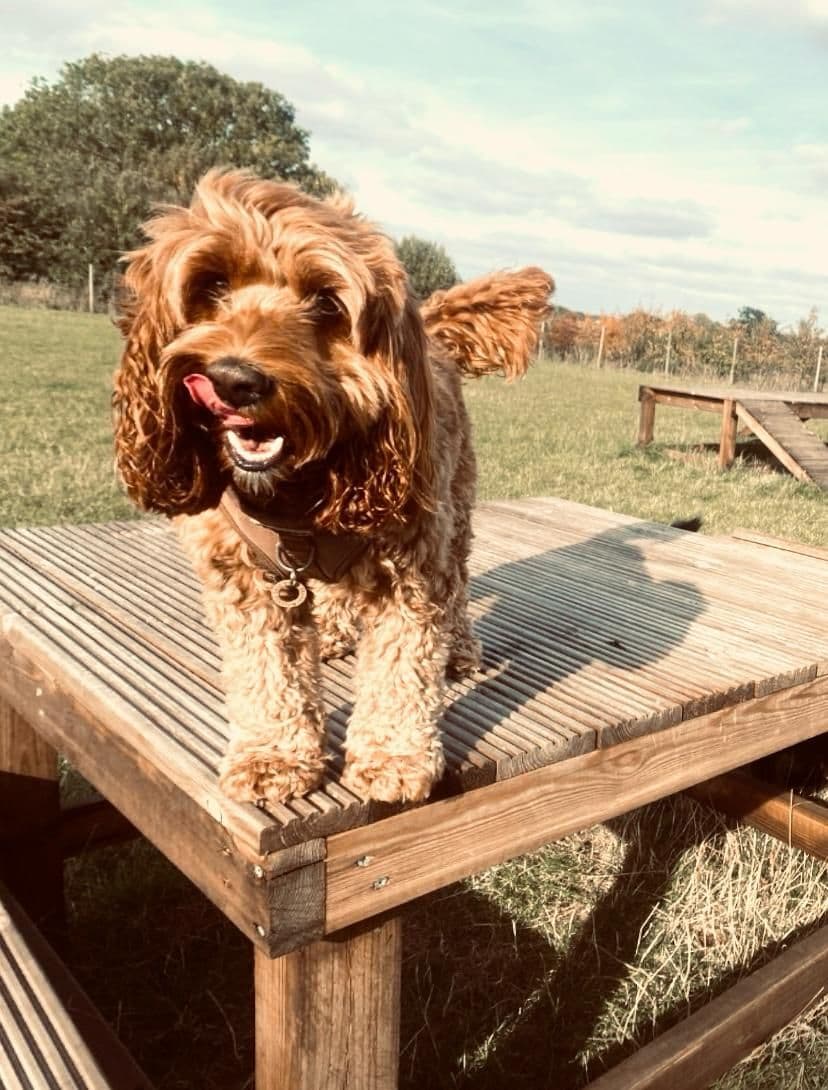
Good recall opens up a world of possibilities: secure field sessions where your dog can truly stretch their legs, walks in beautiful countryside, beach trips, play with other dogs, and the sheer joy of watching your dog sprint back to you with their ears flapping and tail wagging. Keep it simple. Poor recall closes all of those doors and replaces them with anxiety, frustration, and lead-only walks along the same pavement routes.
The good news is that recall is a trainable skill. Every dog can learn it, regardless of breed, age, or history. But it takes patience, consistency, and the right approach, but the results are life-changing for both of you. Here are five tips that actually work.
1. Make yourself the most rewarding thing in the field
It's the foundation of everything. And your dog will come back to you when coming back is more rewarding than whatever they are currently doing. That sounds simple, but think about what you are competing with: the scent of a rabbit, a game with another dog, a fascinating pile of fox droppings, a squirrel disappearing up a tree. You need to be more exciting than all of that.
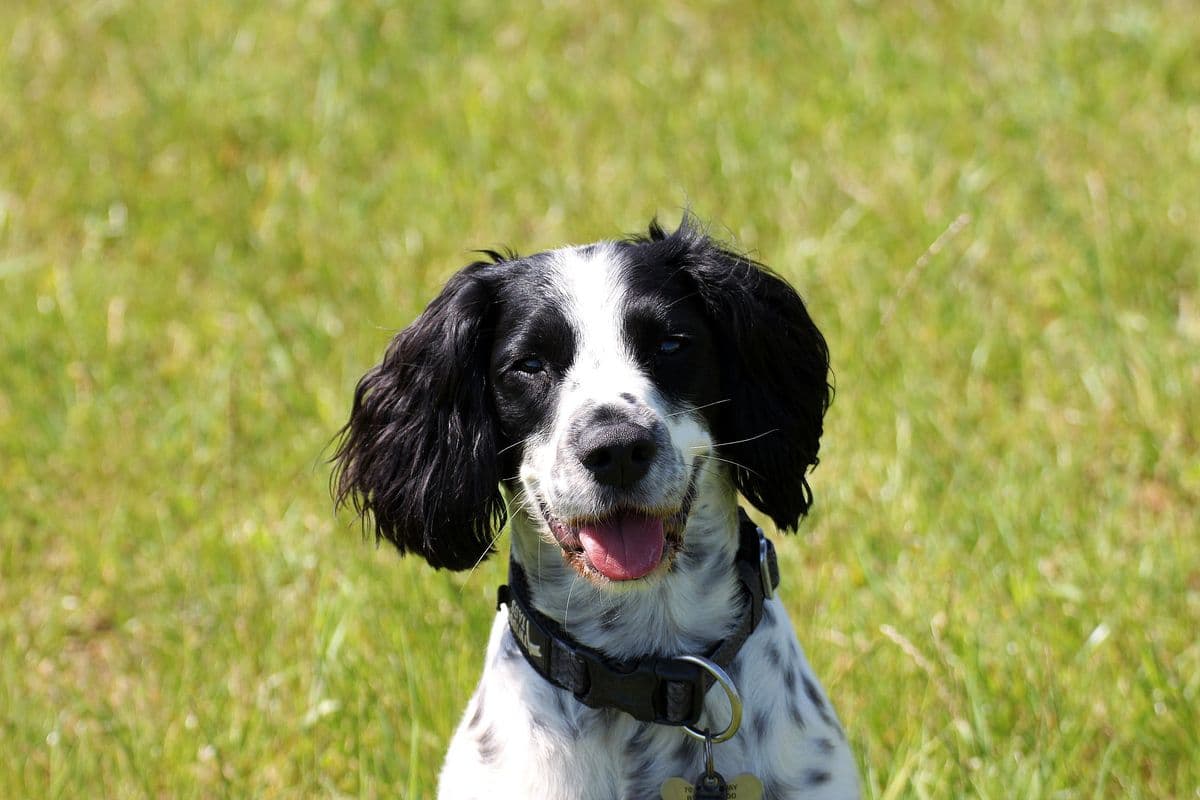
A Labrador in our day care recently went from pulling his owner down the street to walking calmly beside her. His trainer used the same methods we recommend.
Start by identifying what your dog finds genuinely rewarding. For most dogs, this means high-value food: not their everyday kibble, but something special. Cooked chicken, cheese, hot dog sausages, liver cake, or sprats. The smellier and tastier, the better. Some dogs are more motivated by toys, and for them, a quick game of tug when they return can be even more powerful than food.
How to build your value
- Reserve the best rewards for recall only. If your dog gets cheese every time they sit, cheese is not special. Keep your highest-value treats exclusively for when your dog comes back to you.
- Reward generously. When your dog returns, do not hand over a single piece of kibble and clip the lead on. Give them a handful of treats, one after another, while praising them enthusiastically. Make it a party.
- Vary your rewards. Sometimes it is food. Sometimes it is a toy. Sometimes it is being released to go and play again. Unpredictability keeps your dog engaged and curious about what coming back might earn them this time.
- Never punish the return. If your dog has been ignoring you for ten minutes and finally comes back, reward them. Always. No matter how frustrated you are. If you scold them for taking too long, you are teaching them that coming back to you leads to a negative experience. Next time, they will take even longer.
The 10-treat rule
When your dog comes back to you, feed them ten small treats in rapid succession rather than one big one. This does two things: it makes the reward last longer (so your dog stays close to you instead of grabbing a treat and running off again), and it makes the value seem much greater. Ten pieces of chicken feel much more rewarding than one, even if the total amount is the same.
2. Build a recall word that means one thing and one thing only
Most people use their dog's name for recall. The problem is that you also use your dog's name when you are talking about them, when you are telling them to stop doing something, when you are calling them for a bath, and when you are about to clip their lead on to go home. Your dog's name has become background noise. It does not reliably predict anything good.
We've written separately about recall training in a dog field if you want to read more.
Instead, build a dedicated recall word or sound that you only ever use when you want your dog to come to you, and that is only ever followed by something brilliant. Some trainers recommend a whistle (consistent regardless of your mood, audible at distance), others prefer a word that you would not use in normal conversation. Popular choices include "come", "here", or a specific whistle pattern.
How to build the word
- Start indoors with zero distractions. Say the word, immediately give your dog an amazing treat. Repeat 10 to 15 times per session, twice a day. At this stage, your dog does not need to do anything. You are simply building the association: that word equals incredible food.
- Add a tiny distance. Wait until your dog is a few feet away from you, say the word, and reward the moment they turn towards you. Keep the distance short and the success rate high.
- Move to the garden. Same process, slightly more distraction. Only call when you are fairly confident your dog will respond. Every successful recall strengthens the association. Every ignored recall weakens it.
- Graduate to quiet outdoor spaces. Use a long line (a 10 or 15-metre training lead) so your dog has freedom but you have a safety net. Practice in low-distraction environments first, then gradually add challenges.
- Build up to high-distraction environments. This takes weeks, not days. Do not rush it. If your dog starts failing, you have increased the difficulty too quickly. Go back to an easier level and build up again.
The golden rule
Never use your recall word unless you are confident your dog will respond, or you are in a position to follow through (for example, on a long line where you can gently reel them in). Consistency is key. Every time your dog hears the recall word and does not come, the word loses value. Protect your recall word like gold.
3. Practice in safe, enclosed spaces first
This tip might seem obvious, but an astonishing number of people try to practice recall in open, public spaces where the stakes are high and the distractions are endless. We only recommend force-free trainers, and if your recall fails in the middle of a busy park, you are dealing with a real safety issue. If it fails in a secure field, your dog is still safe and you can try again.
You might also find our post on loose lead walking helpful.
Secure dog fields are purpose-built for exactly this kind of training. Timing matters. High fencing, double-gated entry, no other dogs or people, and enough space for your dog to feel genuine freedom. You can practice recall at distance, test it against distractions (bring a friend with a dog, or scatter some treats around the field), and build reliability in a consequence-free environment.
The psychological benefit for you as the handler is significant too. When you are not worried about your dog running into a road or approaching a nervous stranger, you are calmer, more relaxed, and more fun to be around. Your dog picks up on that. Calm, confident handling produces calm, confident responses.
A training plan for secure fields
- Week 1-2: Short sessions (15 to 20 minutes). Let your dog explore, then call them back. Reward heavily. Repeat 5 to 8 times per session. Release them to play again after each recall.
- Week 3-4: Increase distance. Call when your dog is further away or more engaged with sniffing. Continue rewarding generously.
- Week 5-6: Add mild distractions. Scatter treats on the ground and call your dog away from them. Bring a friend with a calm dog and practice recalling away from play.
- Week 7-8: Test reliability. Call from behind cover where your dog cannot see you. Call during high-excitement moments. If your dog responds reliably 8 out of 10 times, you are ready to start testing in more open environments.
4. Never recall your dog to end the fun
In practice, it's one of the most common recall killers, and most people do it without realising. You call your dog, they come back, and you clip the lead on and head home. What has your dog just learned? Coming back equals the end of off-lead time. The fun stops when they return. So next time, they take a little longer to come back. And a little longer. And eventually they stop coming at all.
The fix is simple: for every one time you recall your dog to clip the lead on, recall them nine times during the walk and then let them go again. Make coming back to you a pit stop, not a finish line. Your dog returns, gets a treat, gets a "good dog", and then hears "go play" and off they go again. The recall becomes just another thing that happens during the walk, not a predictor of the walk ending.
Practical strategies
- Call and release. Practice recall throughout the walk, not just at the end. Every time your dog comes back and gets released, the association with recall improves.
- Use a pre-departure routine. Instead of calling your dog and immediately clipping the lead on, call them, reward them, play a game, give a few more treats, and then calmly put the lead on. Make the lead-up to going home pleasant, not abrupt.
- Vary the ending. Sometimes finish the walk by calling your dog. Sometimes finish by walking towards them and calmly putting the lead on. Sometimes finish by luring them to the gate with a treat. Break the pattern so your dog cannot predict which recall is the final one.
- End before your dog wants to. Leave while your dog is still having fun, rather than waiting until they are exhausted and the walk has naturally wound down. This keeps future walks exciting and your dog eager to engage.
5. Be patient and protect the long game
Reliable recall is not built in a week. Routine helps. It is not built in a month. It is a skill that develops over months of consistent practice and is maintained for the rest of your dog's life. There will be setbacks. There will be days when your dog ignores you completely. There will be moments of frustration where you question whether any of this is working. Rain or shine.
Those moments are normal. They are not signs of failure. They are signs that you need to adjust the difficulty, go back a step, and rebuild. Dogs are not machines. Their responsiveness varies with their mood, their health, the environment, the time of day, and a hundred other factors. What matters is the overall trend, not any single recall attempt. Even on rainy days.
Common setbacks and what to do
- Adolescence. Dogs between 6 and 18 months often go through phases where previously reliable recall falls apart. This is normal. Their brains are rewiring, their hormones are surging, and the world is suddenly very interesting. Do not panic. Increase your reward value, reduce the difficulty, and keep practicing. It comes back.
- New distractions. A dog that recalls perfectly in your local field may completely ignore you at the beach. Every new environment resets the difficulty level. Treat each new location as a training ground and start with easier recalls.
- Regression after a break. If you have not practiced recall for a while, do not expect your dog to pick up where you left off. Put in a few refresher sessions before relying on it in challenging situations.
- Over-reliance on food. If your dog will only come back when they see food in your hand, you need to fade the lure. Keep the food hidden in your pocket or a pouch. Reward after the recall, but do not show the treat beforehand.
The mindset shift
The owners who succeed with recall are the ones who see it as an ongoing relationship rather than a trick to be taught. Every walk is a training opportunity. Every time your dog chooses you over the environment, that choice should be celebrated and rewarded. And every time your dog makes a different choice, that is information about what you need to work on next, not a reason to be angry.
Key takeaways
- Make yourself more rewarding than the environment. High-value treats, enthusiastic praise, and the release back to play
- Build a dedicated recall word and protect it. Only use it when you can follow through
- Practice in secure, enclosed spaces like dog fields before testing in public
- Never make recall the end of the fun. Call and release nine times for every one lead-on
- Be patient. Reliable recall takes months to build and a lifetime to maintain
Where to practice
Our secure dog fields and dog parks across Essex are the perfect environment for building rock-solid recall. In our experience working with hundreds of dogs across Essex, book a private session where you can practice without pressure, test your dog against real-world distractions in a safe space, and build the confidence you both need.
If you would like expert guidance on recall training, explore our recommended dog training professionals, all of whom use modern, reward-based methods that get results without resorting to force or fear.
Written by the Wagtails team: qualified dog professionals based in Rettendon, Essex. We run 5-star licensed day care and three private dog parks, and we work with a network of trusted trainers, walkers, and groomers across the county.