Last reviewed: May 2026
What socialisation actually means
Socialisation is one of those words that gets thrown around a lot in the dog world, but it is often misunderstood. Many people assume it simply means letting your puppy meet other dogs. In reality, socialisation is about carefully and positively exposing your puppy to as wide a range of experiences as possible during a specific developmental window, so they grow up viewing the world as a safe and interesting place rather than a scary one.
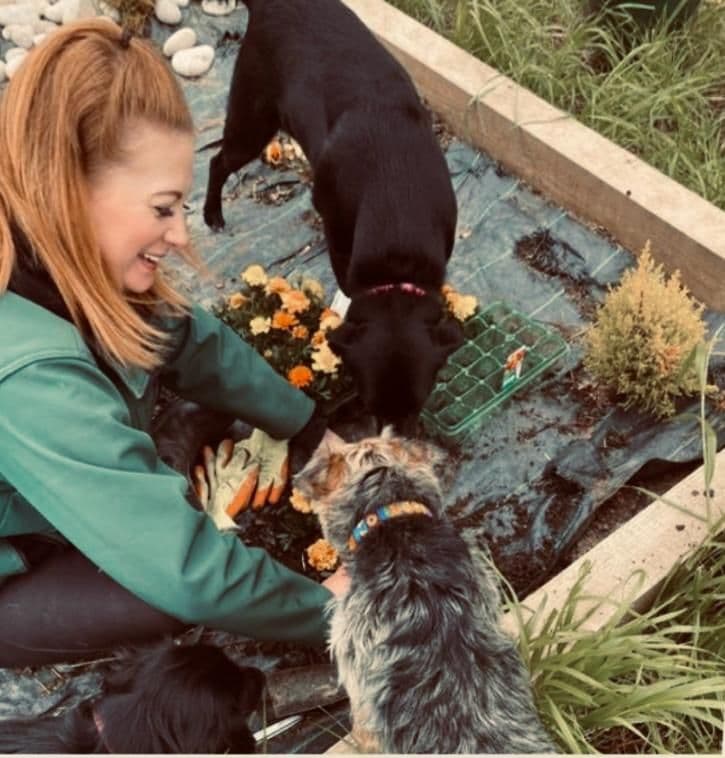
It includes other dogs, yes, but also different types of people, sounds, surfaces, environments, handling, objects, and situations. Trust takes time. And a well-socialised puppy has encountered enough variety that they can take new experiences in their stride as an adult, rather than reacting with fear or anxiety.
The critical socialisation window
Puppies go through a critical socialisation period between approximately 3 and 16 weeks of age. During this time, their brains are wired to absorb new experiences and form lasting impressions. Positive experiences during this window build confidence that lasts a lifetime. Negative experiences, or a lack of experiences, can create fears that are difficult and sometimes impossible to fully resolve later.
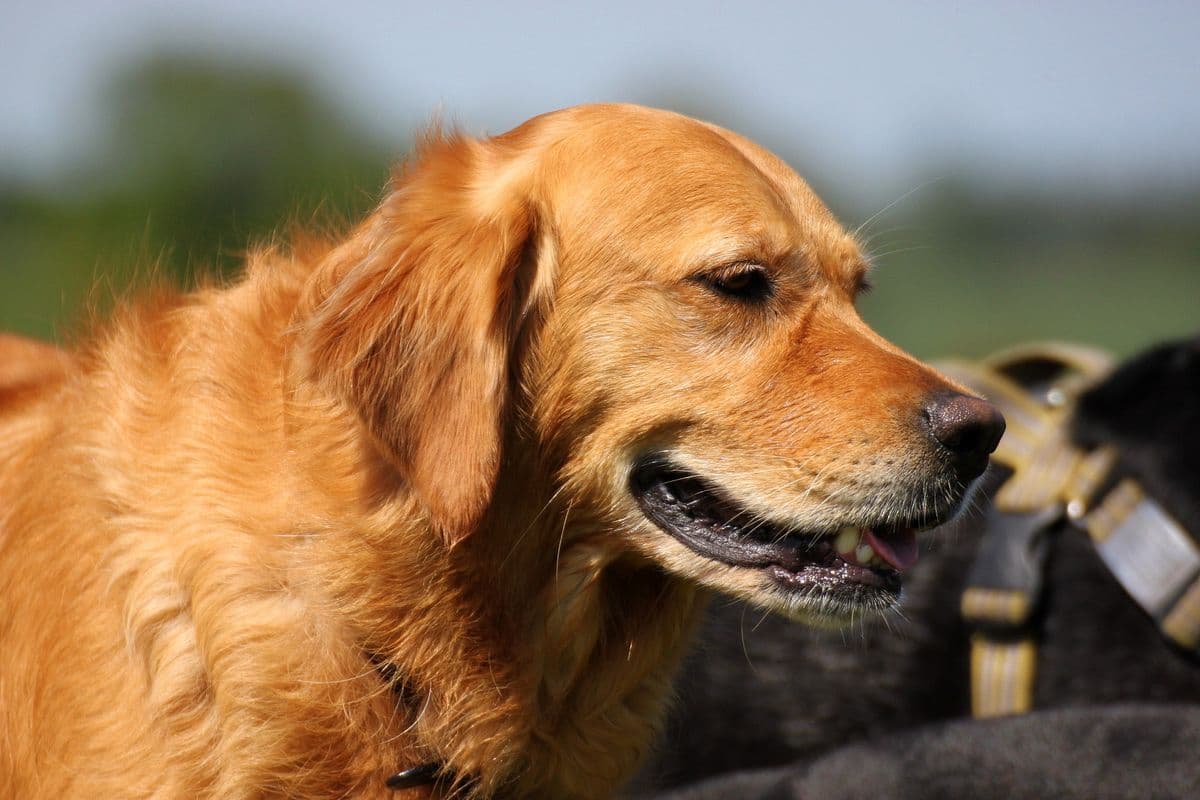
A customer recently asked us whether her eight-month-old puppy was too old to start training. But the answer is always no: it's never too late.
This does not mean socialisation stops at 16 weeks. And your puppy will continue learning and developing throughout their first year and beyond. But the window between 3 and 16 weeks is uniquely powerful. Experiences during this period carry disproportionate weight, which is why it is so important to make the most of it.
There is a complication, of course. Your puppy's vaccination course is not complete until around 10 to 12 weeks, and some vets advise waiting a further week or two before letting your puppy walk on public ground. This overlaps directly with the critical socialisation period, which means you need to be creative about how you expose your puppy to the world without putting their health at risk.
Socialisation before vaccinations are complete
- Carry your puppy in your arms to experience busy streets, car parks, markets, and school runs
- Invite vaccinated, healthy dogs that you know and trust to visit your home or garden
- Play recordings of fireworks, traffic, thunder, and other sounds at low volume, gradually increasing
- Drive your puppy to different locations and let them observe from the car
- Attend well-run puppy classes that only allow puppies who have had their first vaccination
- Use private, secure dog fields that are properly maintained and not open to unknown dogs
People: variety is everything
Your puppy needs to meet a wide range of people during the socialisation window. So people of different ages, sizes, ethnicities, and appearances. Children, elderly people, people wearing hats, sunglasses, high-visibility jackets, and uniforms. People using walking sticks, wheelchairs, or pushchairs. People with beards, people without. Loud people, quiet people, confident people, nervous people.
For a related read, have a look at our piece on loose lead walking.
The goal is not to overwhelm your puppy but to give them enough exposure that meeting a new type of person later in life is not alarming. We've had customers tell us that let your puppy approach people at their own pace. Never force interactions. If your puppy retreats, let them. You can try again later. Every interaction should end with your puppy feeling good, not stressed.
Ask people to crouch down rather than looming over your puppy. Give them treats to offer. Keep interactions brief and positive. Quality matters far more than quantity.
Other dogs: quality over quantity
Meeting other dogs is an important part of socialisation, but it needs to be managed carefully. A single bad experience with an aggressive or over-the-top dog can undo weeks of careful work and create lasting fear. Especially in winter.
There's more on this in our guide to stopping jumping up.
Choose your puppy's early canine interactions carefully. Older, calm, well-socialised dogs make the best teachers. They will tolerate puppy behaviour to a point but will gently communicate when the puppy is being too much, which teaches your puppy valuable social skills. Avoid dog parks and uncontrolled group settings until your puppy is older and more confident.
Watch the body language of both dogs closely. Play should be bouncy, loose, and reciprocal, with both dogs taking turns to chase and be chased. If one dog is always running away, hiding, or trying to leave, the interaction is not working and should be ended.
Signs of healthy puppy play
- Play bows (front end down, back end up)
- Bouncy, exaggerated movements
- Taking turns chasing and being chased
- Pausing and restarting play voluntarily
- Soft, open mouths rather than tense, closed ones
Signs to intervene
- One dog constantly pinning or standing over the other
- Tucked tails, flattened ears, or whale eye (showing the whites of the eyes)
- One dog trying to hide or escape
- Stiff body language, hard staring, or growling that does not ease
- Play that escalates in intensity without breaks
Sounds: building a bombproof dog
Noise sensitivity is one of the most common behavioural issues in adult dogs, and it is also one of the most preventable with early socialisation. Fireworks, thunderstorms, traffic, sirens, vacuum cleaners, washing machines, doorbells, crying babies, barking dogs, and construction noise are all things your puppy needs to hear and learn to accept as normal parts of life.
Start with sounds at low volume while your puppy is doing something enjoyable, such as eating or playing. Gradually increase the volume over several sessions. If your puppy shows signs of concern, reduce the volume and go more slowly. The goal is to create a positive association: strange sounds predict good things.
There are free sound desensitisation playlists available online that cover everything from fireworks to traffic. Small steps. Playing these during mealtimes or play sessions is an easy way to build sound confidence without any special equipment.
Surfaces and environments
Adult dogs that have only ever walked on carpet and grass can genuinely struggle when they encounter metal grates, shiny floors, gravel, sand, mud, or wooden bridges. Exposing your puppy to different surfaces early helps them navigate the world with confidence.
At home, you can create a mini adventure course using different materials: a piece of tarpaulin on the floor, a baking tray to walk over (the sound and feel are novel), a cardboard box tunnel, wet grass, dry leaves, and bubble wrap. Let your puppy explore at their own pace and reward their curiosity with treats and praise.
Outside, gradually introduce your puppy to as many different environments as possible: town centres, countryside paths, beaches (if allowed), car parks, pet shops, cafes that welcome dogs, friends' houses, and garden centres. Each new environment brings a collection of new sights, sounds, smells, and surfaces.
Handling: preparing for the vet and groomer
Your dog will need to be handled by vets, groomers, and other professionals throughout their life. Getting them comfortable with being touched, examined, and gently restrained as a puppy makes these experiences far less stressful for everyone later on.
Practice handling your puppy daily:
- Gently hold and examine their paws, spreading the toes
- Look inside their ears and mouth
- Run your hands over their whole body, including their belly, tail, and legs
- Lift them gently onto raised surfaces (like a table, simulating a vet or grooming table)
- Touch around their eyes and muzzle
- Gently restrain them for a few seconds, then release and reward
Pair every handling exercise with treats and calm praise. Start slow. Keep sessions short and always end on a positive note. If your puppy struggles or shows stress, you are going too fast. Scale back and build up more gradually.
Common socialisation mistakes
Even well-intentioned owners can make mistakes during socialisation. Here are the most common ones and how to avoid them:
Flooding
Flooding means exposing your puppy to too much too quickly. Taking a nervous puppy to a busy market and forcing them to "just deal with it" is not socialisation. It is overwhelming, and it can create lasting fear. Always let your puppy set the pace. Short, positive exposures are far more effective than long, stressful ones.
Only socialising with dogs
Dog-to-dog interaction is important, but it is only one piece of the puzzle. A puppy that plays with other dogs all the time but rarely meets different people, hears different sounds, or visits different places is not well socialised. Aim for breadth of experience, not just depth in one area. Worth every penny.
Stopping too early
Some owners do a brilliant job during the first few weeks at home, then stop once the puppy seems confident. Timing matters. Socialisation needs to continue throughout your puppy's first year. Adolescent dogs (around 6 to 18 months) go through fear periods where previously confident dogs can suddenly become wary. Continued positive exposure helps them work through these phases.

Relying on dog parks
Public dog parks are unpredictable. You cannot control the behaviour of other dogs, and a single negative encounter can set your puppy's socialisation back significantly. Controlled, managed introductions with known dogs are far safer and more productive, especially in the early months.
How day care helps with socialisation
A well-run puppy day care can be one of the best investments you make in your puppy's socialisation. In a good day care environment, your puppy gets regular, supervised interaction with dogs of appropriate size and temperament, guided by staff who understand canine body language and developmental needs.
Day care also exposes your puppy to a structured routine, different handling, new environments, and a variety of enrichment activities, all of which contribute to socialisation in ways that are difficult to replicate at home, especially if you work during the day.
The key word here is "well-run". We always tell new customers that a chaotic day care with no structure, no assessment process, and too many dogs in one space can do more harm than good. Look for providers that run dedicated puppy sessions, maintain small group sizes, and have staff trained in puppy development.
When to get professional help
If your puppy is showing persistent signs of fear, such as cowering, freezing, excessive barking, snapping, or refusing to engage with people or dogs, it is worth consulting a qualified behaviourist sooner rather than later. The earlier these issues are addressed, the better the outcome.
Look for a behaviourist who uses positive, reward-based methods and holds a recognised qualification such as ABTC (Animal Behaviour and Training Council) accreditation. Avoid anyone who talks about "showing the dog who is boss" or uses aversive tools. These methods are outdated and can make fear-based behaviours significantly worse.
Our puppy training recommendations can help you find qualified support if you need it.
Key takeaways
- Socialisation is about positive exposure to a wide range of experiences, not just meeting other dogs
- The critical window is 3 to 16 weeks, but socialisation should continue throughout the first year
- Let your puppy set the pace. Never force interactions or flood them with too much at once
- Expose your puppy to different people, dogs, sounds, surfaces, environments, and handling
- Choose early canine interactions carefully. One bad experience can create lasting fear
- A well-run puppy day care is a powerful socialisation tool
- Seek professional help early if you notice persistent fear or anxiety
Give your puppy the best start
At Wagtails, we understand how important those early weeks and months are. Watch closely. Our puppy day care is designed specifically to support socialisation in a safe, structured environment with qualified staff who know how to get the balance right. We also maintain a directory of recommended puppy training professionals across Essex if you need extra support.
If you would like to chat about how we can help your puppy, book a secure field session for controlled socialisation practice, or arrange a day care trial, we would love to hear from you.
Written by the Wagtails team: qualified dog professionals based in Rettendon, Essex. We run 5-star licensed day care and three private dog parks, and we work with a network of trusted trainers, walkers, and groomers across the county.